

That persistent, unsightly growth on your skin isn’t going anywhere on its own. Warts affect millions of people worldwide, and Singapore’s humid climate creates the perfect breeding ground for these stubborn viral infections. Whether it’s a plantar wart making every step uncomfortable or a common wart affecting your confidence, professional wart removal offers safe, effective solutions that restore both your skin’s health and your peace of mind.
Understanding Warts: Types, Causes & When to Seek Professional Help
Warts are a common skin problem, but you might not need to worry about all of them. While they’re often seen as just a nuisance, they’re actually a medical condition caused by a virus. So, before you consider any treatment, it’s wise to understand what you’re dealing with. Here’s what you should know about what warts are, the different types you might encounter in Singapore, and when to see a doctor for professional removal.
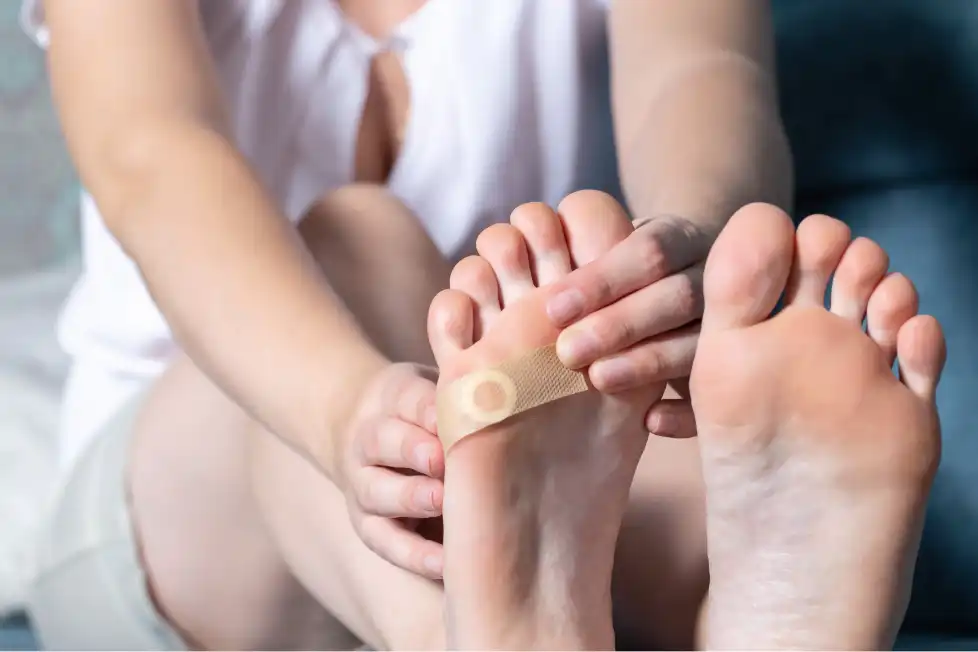
What exactly is a wart?
A wart is a small, non-cancerous skin growth caused by the human papillomavirus (HPV). This virus infiltrates the top layer of skin through tiny cuts or breaks, causing rapid cell multiplication that creates the characteristic raised, rough texture we recognise as warts.
Unlike moles or other skin growths, warts are highly contagious and can spread to other parts of your body or to other people through direct contact. The virus thrives in warm, moist environments, making Singapore’s tropical climate particularly conducive to wart development and transmission.
Warts contain tiny blood vessels that feed the growth, which is why they may bleed when scratched or injured. This bleeding also increases the risk of spreading the virus to surrounding healthy skin.
Common types of warts in Singapore
Warts can appear anywhere on the body, but they are most common on the hands and feet. The type of wart depends on the strain of HPV and its location on the body. Here are some of the most common types found in Singapore:
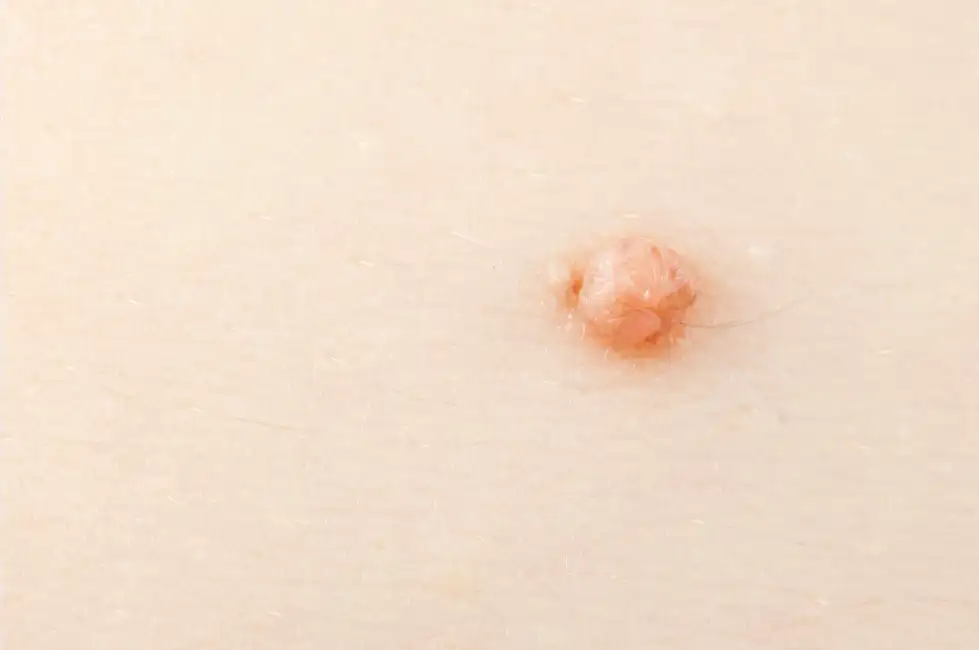
- Common Warts (Verruca Vulgaris): These are typically found on the fingers, hands, and knees. They have a raised, rough, and grainy texture and may have tiny black dots, which are actually clotted blood vessels.
- Plantar Warts: These grow on the soles of the feet. Because of the pressure from walking and standing, they grow inward and can be quite painful, often feeling like you’re stepping on a small pebble.
- Flat Warts (Verruca Plana): These are smaller and smoother than other warts and can grow in large clusters. They are often found on the face, arms, and legs.
- Genital Warts: These are highly contagious and are a type of sexually transmitted infection. They appear on the genital and anal areas and require specialized medical attention.
- Filiform Warts: These warts are distinctive for their long, thin, thread-like shape. They often appear on the face, particularly near the mouth, nose, or eyes.
When should you see a doctor for wart removal?
Professional medical consultation becomes essential when warts cause pain, interfere with daily activities, or show signs of infection such as redness, warmth, or pus. Additionally, any growth that changes colour, bleeds frequently, or doesn’t respond to over-the-counter treatments after several months warrants professional evaluation.
Individuals with compromised immune systems, diabetes, or circulation problems should always seek professional treatment rather than attempting home remedies. The risk of complications from improper treatment can be severe for these patients.
If you’re unsure whether a growth is actually a wart or another type of skin lesion, professional diagnosis ensures you receive appropriate treatment.
Professional Wart Removal Methods in Singapore: A Deep Dive
For those who need or prefer professional intervention, clinics in Singapore offer a range of advanced and effective treatments. These methods are performed by a qualified medical professional, ensuring the highest level of safety and success. In this section, we will explore some of the most common clinical treatments available today.
Cryotherapy: The "Freezing" Treatment Explained
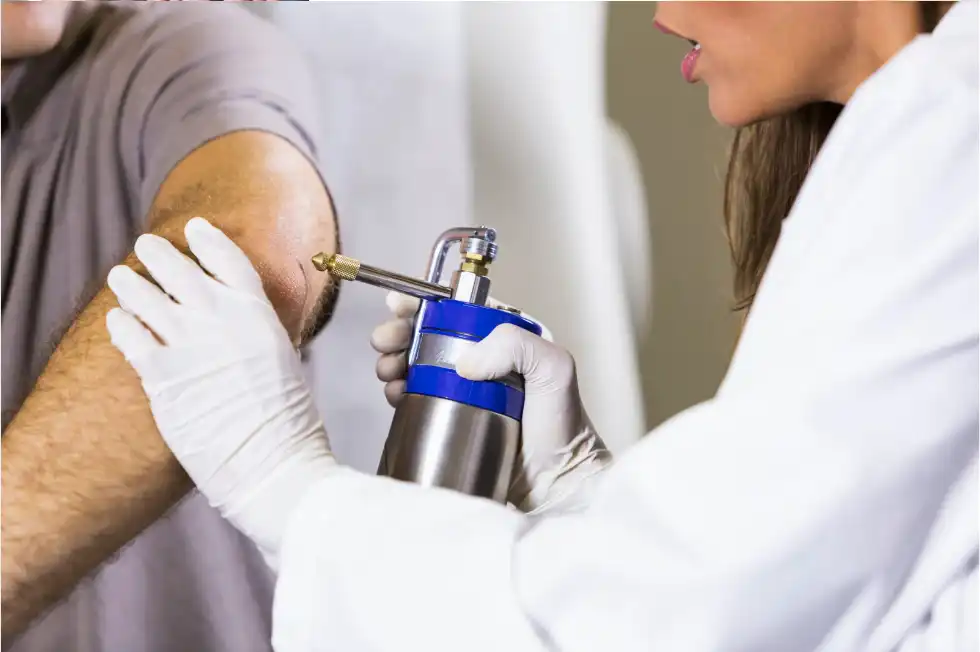
Cryotherapy uses liquid nitrogen at -196°C to freeze and destroy wart tissue. The extreme cold causes ice crystals to form within the wart cells, rupturing their membranes and triggering cell death.
During treatment, liquid nitrogen is applied directly to the wart using a cotton swab or spray device. The procedure typically takes just a few minutes per wart, though multiple sessions may be required for complete removal.
Treatment process:
- The area is cleaned and prepared
- Liquid nitrogen is applied until the wart and a small surrounding area turns white
- The treated area may sting or burn for a few minutes
- A blister typically forms within 24-48 hours
Most patients require 2-4 treatment sessions spaced 2-3 weeks apart. The success rate for cryotherapy ranges from 60-80%, with plantar warts often requiring more sessions due to their depth and location.
Recovery involves keeping the treated area clean and dry whilst the blister heals. The dead wart tissue will eventually fall off, revealing healthy skin underneath.
Laser and Electrocautery: Options for Stubborn Warts
Laser treatment uses focused light energy to destroy wart tissue whilst minimising damage to surrounding healthy skin. CO2 lasers and pulsed-dye lasers are most commonly used, with each type offering specific advantages.
CO2 laser treatment vaporises the wart tissue layer by layer, allowing precise control over the depth of treatment. This method is particularly effective for large or resistant warts that haven’t responded to other treatments.
Pulsed-dye laser targets the blood vessels feeding the wart, cutting off its nutrient supply and causing it to die naturally. This approach often results in less scarring and shorter healing times.
Electrocautery uses electrical current to burn away wart tissue. Local anaesthetic is typically administered before treatment to ensure patient comfort. This method offers excellent precision and immediate results, with most warts completely removed in a single session.
The healing process for laser and electrocautery treatments typically takes 1-2 weeks, during which the treated area must be kept clean and protected from infection.
Other Clinical Treatments and their effectiveness
Beyond cryotherapy and laser treatments, other medical options are available for wart removal in Singapore, offering solutions for a variety of wart types and patient needs.
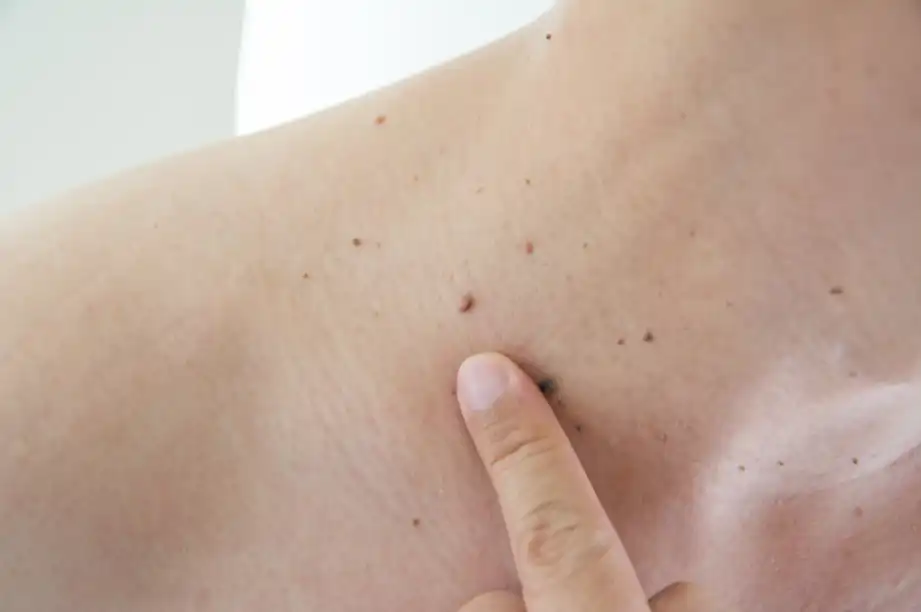
- Chemical Peels: A doctor can apply prescription-strength chemical solutions, such as salicylic acid, that work by gradually peeling away the layers of the wart. This can be done in the clinic and sometimes involves at-home application.
- Surgical Excision: For large or deep warts, a minor surgical procedure may be necessary. The doctor will cut out the wart after numbing the area with a local anaesthetic. This method is usually reserved for warts that have not responded to other treatments due to a higher risk of scarring.
- Immunotherapy: This is a modern approach that stimulates your own immune system to fight the HPV virus causing the wart. A substance is injected into the wart to trigger an immune response, causing the body to naturally clear the virus.
At-Home Wart Removal: What Works & What to Avoid
Whilst professional treatment offers the highest success rates, some individuals prefer to attempt home treatment first, particularly for small, non-problematic warts.
Over-the-counter products: A guide to salicylic acid and other remedies
Salicylic acid is one of the over-the-counter treatments for warts. Available in concentrations from 17-40%, it works by softening and gradually dissolving the wart tissue.
Popular products available in Singapore include:
- Scholl Wart Removal System: Uses 40% salicylic acid patches
- Compound W: Liquid salicylic acid solution
- Duofilm: Brush-on liquid treatment
Application guidelines:
- Soak the affected area in warm water for 5 minutes
- File away dead tissue with a pumice stone or emery board
- Apply the product according to package instructions
- Cover with a plaster if recommended
- Repeat daily until the wart disappears
Treatment typically takes 6-12 weeks for complete removal. Consistency is crucial for success, as irregular application reduces effectiveness.

Natural & DIY Methods: Do they work?
The internet is full of “natural” and “DIY” remedies for wart removal, from using garlic to castor oil and baking soda. While some people claim success with these methods, there is little to no scientific evidence to support their effectiveness.
For example, for those asking how to remove warts with castor oil and baking soda, this mixture is not proven to remove the virus. Castor oil may moisturise the skin, and baking soda can exfoliate, but neither will directly treat the HPV virus. Similarly, while some search for “how to remove mole or warts naturally,” it’s crucial to understand that a mole is a different kind of skin growth and should never be treated with home remedies. It’s best to consult with a doctor to properly diagnose the growth before attempting any treatment.
Safety first: The risks of DIY wart removal
Attempting to cut, burn, or freeze warts at home carries significant risks including infection, scarring, and incomplete removal leading to recurrence. Home freezing products rarely reach temperatures low enough to be truly effective.

Never attempt to:
- Cut or dig out warts with sharp instruments
- Use home remedies on genital warts
- Treat warts if you have diabetes or circulation problems
- Apply treatments to areas with broken or infected skin
Aggressive home treatment can drive the virus deeper into the skin, making professional treatment more difficult and potentially causing permanent scarring.
The Recovery Process: Aftercare and What to Expect
The journey to clear skin does not end once the wart has been removed. Proper aftercare is crucial for a smooth and effective recovery, whether you had a professional procedure or a successful at-home treatment.
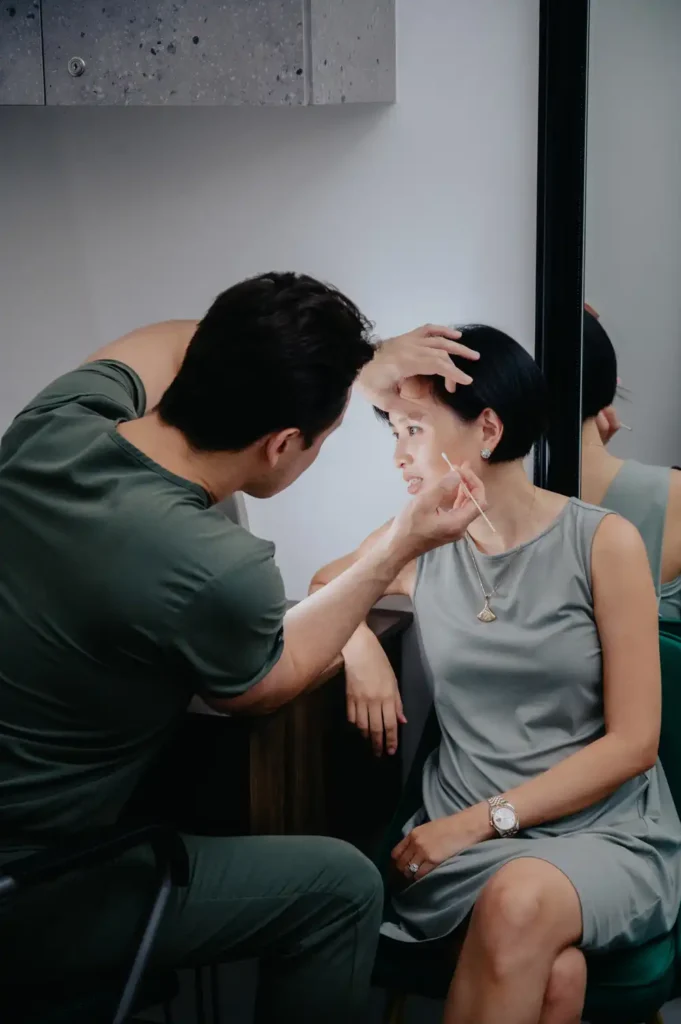
At Dr. Shane’s clinic, we ensure your wart removal experience is safe, comfortable, and tailored to you. Here’s what you can expect:
Initial Consultation
Dr. Shane will examine your warts carefully, considering their size, location, and your skin type to recommend the best removal method.
Preparation
A local anaesthetic may be applied to numb the area, so you feel little to no discomfort during the procedure.
Procedure Duration
The removal typically takes 10 to 30 minutes, depending on how many warts are being treated.
Treatment Methods
The chosen technique—whether electrocautery, cryotherapy, radiofrequency, or excision—will be explained beforehand, ensuring you’re informed every step of the way.
Minimal Downtime
Most patients experience little to no downtime and can resume daily activities immediately after treatment.
Follow-Up Care
Dr. Shane offers follow-up appointments to monitor healing, answer questions, and ensure you’re satisfied with the results.
Immediate aftercare: Keeping the wound clean and dry
Following any wart removal procedure, be it freezing or laser, the treated area will form a wound that needs care. The primary goal of immediate aftercare is to prevent infection and promote healing.
Key steps include:
- Cleanliness: Gently clean the area with mild soap and water. Pat the area dry with a clean towel; do not rub.
- Dressing: Depending on the treatment, your doctor may recommend covering the wound with a sterile bandage or dressing. This protects the area from dirt and bacteria and prevents friction. For most professional treatments, it is essential to keep the area dry for the first 24-48 hours.
- Pain Management: Some discomfort, redness, or swelling is normal. Over-the-counter pain medication can help manage any pain.
- Activity: Your doctor will advise on physical activity. For warts on the feet, such as a plantar wart, you may be advised to limit standing or walking for a period to allow the area to heal without pressure.
Managing pain and discomfort after the procedure
Most patients experience mild to moderate discomfort following professional wart removal, with pain levels varying depending on the treatment method and wart location.
Pain management strategies:
- Over-the-counter pain relievers like paracetamol or ibuprofen
- Cold compresses applied for 10-15 minutes several times daily
- Elevating the affected area when possible to reduce swelling
- Avoiding activities that put pressure on the treated area
Natural soothing options:
- Aloe vera gel can provide cooling relief and promote healing
- Honey has natural antimicrobial properties
- Cool chamomile compresses may reduce inflammation
Avoid applying ice directly to the wound, as this can damage healing tissue. Always follow your doctor’s specific aftercare instructions, as they may vary based on your individual treatment.
How to tell if the wart is gone for good?
Complete wart removal is confirmed when the treated area has healed completely and shows normal skin characteristics. Here’s what to look for:
Signs of successful treatment:
- The treated area has returned to normal skin colour and texture
- No raised or rough areas remain
- Normal skin lines and patterns have returned
- No pain or tenderness in the area
- No black dots (thrombosed capillaries) visible in the skin
Monitoring for recurrence: Warts can recur if any viral particles remain in the skin. Continue monitoring the treated area for several months after healing. Early signs of recurrence include small, rough patches or raised areas developing in or near the original treatment site.
If you notice any suspicious changes, contact your healthcare provider promptly. Early retreatment of recurrent warts is typically more successful than waiting until they fully redevelop.

Why choose Dr Shane for Wart Removal in Singapore?
If you’ve been considering wart removal in Singapore, let Dr. Shane guide you through a smooth, safe, and professional experience. Whether it’s one small tag or several, you deserve expert care that puts your comfort and results first.
At Dr Shane’s clinic, we believe remarkable results begin with three fundamentals: medical precision, honest advice, and customised care.
While many clinics focus on selling treatments, we prioritise:
- In-depth 1-1 skin health consultations (at least 30 mins)
- HSA/FDA-compliant protocols using approved devices with documented safety profiles
- Personalised energy settings adjusted for your unique skin thickness and concerns
What makes our approach different?
✔ Doctor-Led Consultations
Every treatment plan begins with a medical evaluation of your skin’s needs – not a sales conversation.
✔ Safety-First Philosophy
We use only HSA-approved devices and disclose all potential risks transparently.
✔ No Pressure, Just Professional Advice
You’ll leave your consultation either:
- Confident this treatment is right for you, or
- Aware of better alternatives for your goals
✔ Natural-Looking Results
Our treatment plans prioritise gradual, authentic improvement over dramatic but short-lived changes.
✔ Continued Aftercare
Post-treatment guidance to help maintain and optimise your results
The First Step is Always a Conversation
Many patients discover during consultation that their skin concerns actually require:
→ A different treatment approach
→ Combination therapies
→ Or simply more time before considering procedures
Book a skin health assessment to get professional insights before deciding on any treatment.
Let us help you find what’s right for your skin—not just what’s trending.
Secure your consultation slot with Dr Shane today
Great skin starts with the right diagnosis.