
Published on: 28 September 2026
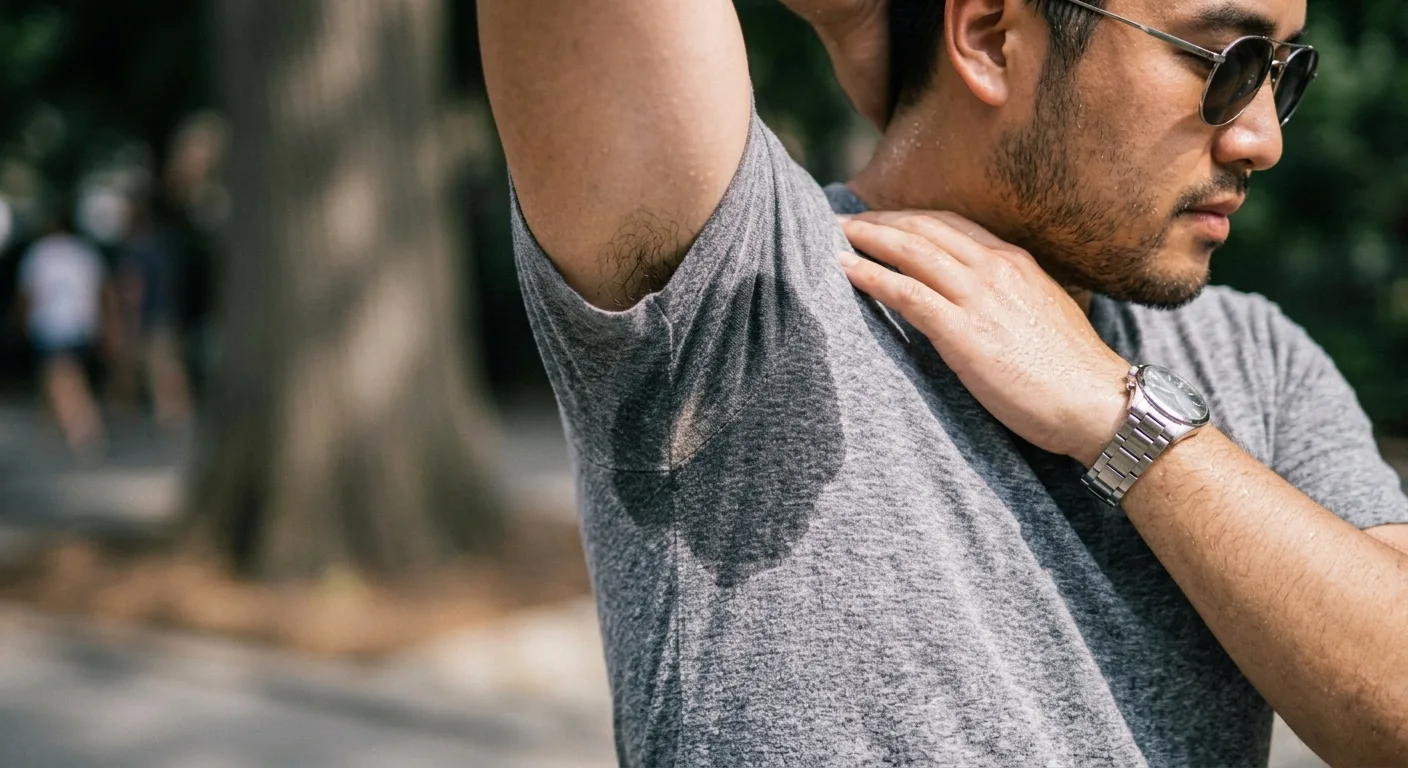
Axillary hyperhidrosis is a clinical condition causing excessive underarm sweat, often unresponsive to standard antiperspirants. Medical treatments in Singapore range from clinical-grade topical solutions and neuromodulator injections to microwave thermolysis and surgical interventions. Finding the appropriate approach requires a thorough clinical assessment to balance efficacy, safety, and long-term results.
Sweating through shirts and avoiding certain colours due to underarm wetness is a common, yet rarely discussed, daily struggle. If standard deodorants fail to keep you dry, you may be dealing with a medical condition known as axillary hyperhidrosis. Medical advancements offer several effective treatments for severe underarm sweating.
Understanding Underarm Sweating (Axillary Hyperhidrosis)
While sweating is a normal thermoregulatory function, excessive perspiration can disrupt daily life. We explore the underlying causes of hyperhidrosis and how external factors trigger sweat production.
What Causes Excessive Sweating?
Sweating regulates body temperature, but hyperhidrosis causes perspiration beyond normal physiological needs. The condition falls into two categories:
- Primary Hyperhidrosis: Overactive sweat glands without an underlying disease. It is largely genetic, usually begins in adolescence, and affects an estimated 0.6% to 2.8% of the global population.
- Secondary Hyperhidrosis: Excessive sweating caused by an underlying medical condition (such as thyroid dysfunction, diabetes, or menopause) or medication. Treatment involves addressing the root cause.
Environmental, Lifestyle, and Hormonal Triggers
Singapore’s high heat and humidity accelerate sweat production while slowing evaporation. Beyond climate, dietary factors such as spicy foods, caffeine, and alcohol stimulate the nervous system and elevate heart rate, which triggers sweat glands. Hormonal fluctuations during puberty, pregnancy, or the menstrual cycle can also raise core body temperature. While identifying lifestyle triggers helps manage mild symptoms, persistent hyperhidrosis requires clinical evaluation.
Non-Invasive Medical Approaches
Before considering procedures, medical professionals often start with conservative, non-invasive therapies. These include topical applications and oral medications designed to block sweat pathways.
Over-the-Counter and Clinical-Grade Topical Antiperspirants
Topical antiperspirants are the first line of treatment for excessive underarm sweating. Clinical-grade formulas contain high concentrations of aluminium chloride, which reacts with sweat duct moisture to form a temporary plug that blocks sweat release. Applying these products at night when sweat production is low allows the plug to form most effectively. Because prolonged use can cause skin irritation, higher-strength formulas should be used under medical supervision.Oral Anticholinergic Medications: Benefits and Side Effects
When topical options are insufficient, a doctor may prescribe oral anticholinergics. These systemic medications block acetylcholine, the chemical messenger that stimulates sweat glands, reducing perspiration throughout the body. While effective for generalised hyperhidrosis, acetylcholine also influences other bodily functions. Common side effects include dry mouth, blurred vision, constipation, and reduced heat tolerance. Due to these systemic effects, treatment requires medical evaluation and ongoing monitoring by a doctor.Clinical Underarm Sweating Treatment Options
For targeted, long-lasting relief, clinical procedures offer highly effective solutions. The two main medical treatments in Singapore are neuromodulator injections and microwave thermolysis.
Botulinum Toxin Injections for Sweat Reduction
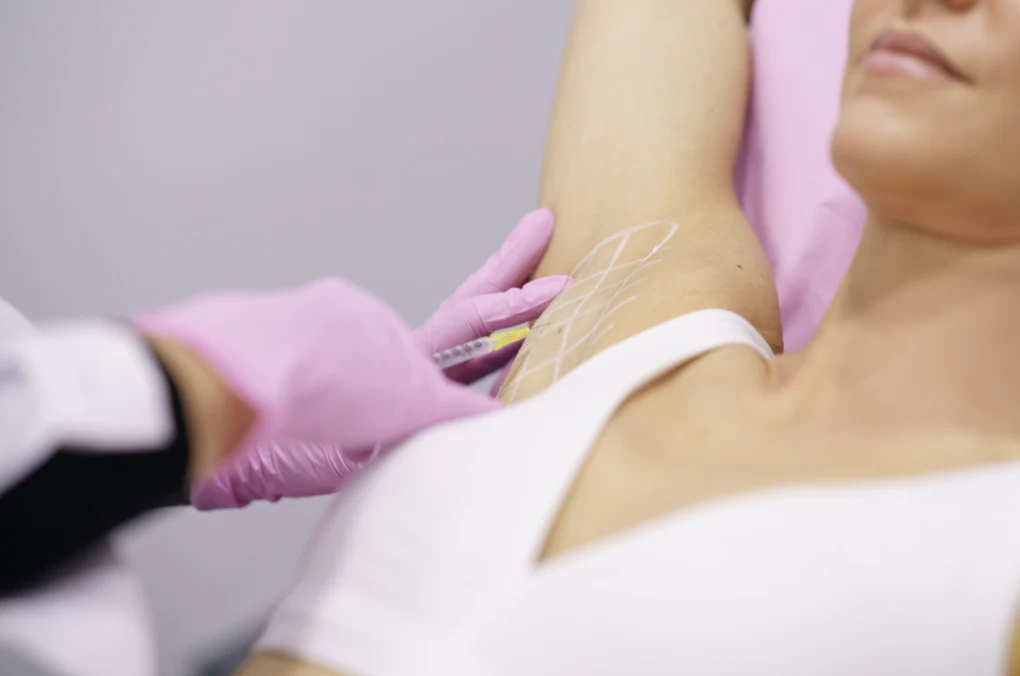
Botulinum toxin therapy is a well-established clinical procedure for axillary hyperhidrosis. The treatment involves injecting highly purified neuromodulators directly into the underarm tissue. These neuromodulators temporarily block the release of acetylcholine at the nerve endings, preventing the signal from reaching the sweat glands. As a result, sweat production in the treated area halts.
Clinical meta-analyses of neuromodulator therapies for axillary hyperhidrosis have demonstrated substantial efficacy. The majority of patients achieve a gravimetric sweat reduction of 50% or more within the first two to six weeks of treatment. The same class of neuromodulators used to treat hyperhidrosis is also widely utilised in aesthetic applications, such as in jawline contouring and treatments, where they work to relax targeted muscles.
Microwave Thermolysis for Sweat Gland Elimination
Microwave thermolysis is a non-surgical procedure designed to permanently eliminate sweat glands. A specialised handheld device delivers controlled microwave energy deep into the dermal layer where the sweat and odour glands reside. The thermal energy heats and destroys these glands, while a continuous cooling mechanism protects the outer skin surface. Because sweat glands do not regenerate once destroyed, the reduction in perspiration is permanent. This targeted approach specifically treats the underarm area without affecting the body’s overall ability to cool itself.
Injections vs. Microwave Energy: A Clinical Comparison
Both neuromodulator injections and microwave thermolysis effectively manage underarm sweating. Below is a clinical comparison of the two primary modalities.| Feature | Botulinum Toxin Injections | Microwave Thermolysis |
|---|---|---|
|
Mechanism of Action |
Blocks chemical signals to sweat glands |
Destroys sweat glands via thermal energy |
|
Procedure Time |
15 to 30 minutes |
60 to 90 minutes |
|
Longevity of Results |
Temporary (4 to 6 months) |
Permanent (glands do not regenerate) |
|
Downtime |
3–6 months for subtle changes |
Mild swelling and tenderness for a few days |
|
Primary Goal |
Temporary sweat suppression |
Permanent sweat and odour reduction |
Surgical Options for Severe Hyperhidrosis
Endoscopic Thoracic Sympathectomy (ETS)
Endoscopic Thoracic Sympathectomy (ETS) is a major surgical procedure reserved for severe hyperhidrosis. The surgeon makes small chest incisions to cut or clamp the sympathetic nerves that signal sweat production, permanently stopping sweating in the targeted area. While highly effective, ETS carries surgical risks, including compensatory sweating, where heavy sweating develops in untreated areas such as the back or thighs.
Sweat Gland Excision and Subcutaneous Curettage
Surgical removal of underarm sweat glands involves physically removing or scraping out the glands through small incisions using a surgical instrument, sometimes combined with suctioning. While gland removal provides permanent sweat reduction, it requires local anaesthesia and involves a longer recovery than non-surgical options. Potential post-surgical considerations include localised scarring and temporary skin numbness.
Safety, Suitability, and Medical Considerations
Patient safety remains the highest priority in aesthetic and medical treatments. Understanding the safety profile and identifying suitable candidates ensures optimal outcomes.
Safety Profile and Side Effects Across Modalities
Every medical procedure carries a specific safety profile.- Topical treatments: May cause local skin irritation or contact dermatitis.
- Oral medications: Associated with systemic effects like dry eyes, dry mouth, and urinary retention.
- Injections: Common side effects include temporary pinpoint bleeding, mild bruising, and localised tenderness at the injection site.
- Microwave thermolysis: Patients typically experience temporary swelling, redness, and altered sensation in the underarms.
- Surgical options: Carry risks of infection, scarring, nerve damage, and compensatory sweating.
Who Is a Suitable Candidate for Clinical Treatment?
A suitable candidate for clinical underarm sweating treatments is an adult experiencing primary axillary hyperhidrosis that interferes with daily activities. Candidates should be in good general health and have realistic expectations regarding the outcome. Age requirements vary by treatment, but procedures are generally reserved for individuals over the age of 18. A thorough medical assessment is mandatory to rule out secondary hyperhidrosis, which requires treating the underlying medical condition rather than just the symptom.
Medical Contraindications: When to Avoid Treatment
Certain medical conditions make specific treatments unsafe.
- Pregnancy and breastfeeding: Women who are pregnant or nursing should postpone all clinical and surgical hyperhidrosis treatments.
- Neuromuscular disorders: Patients with conditions like Myasthenia Gravis or Lambert-Eaton syndrome must avoid botulinum toxin injections.
- Medical implants: Individuals with electronic implants, such as pacemakers, are strictly contraindicated for microwave thermolysis.
- Active infections: Any active skin infection in the underarm area must be resolved before proceeding with topical, injectable, or energy-based therapies.
Frequently Asked Questions
Does treating underarm sweating cause compensatory sweating in other areas?
Can underarm sweat treatments also reduce body odour (bromhidrosis)?
Yes. Underarm odour occurs when skin bacteria break down sweat from apocrine glands. Reducing moisture limits this bacterial breakdown, while thermal microwave therapy directly targets both sweat-producing and odour-producing glands.
How long do the results of each clinical treatment last?

Why Choose Dr Shane for Treatment in Singapore?
Excessive underarm sweating is a manageable medical condition. From non-invasive topical solutions to advanced clinical procedures, there are multiple pathways to achieving dry underarms and restoring comfort. Identifying the root cause and selecting the safest modality, we welcome you to contact our team.
At Dr Shane’s clinic, we believe remarkable results begin with three fundamentals: medical precision, honest advice, and customised care.
While many clinics focus on selling treatments, we prioritise:
- In-depth 1-1 skin health consultations (at least 30 mins)
- HSA/FDA-compliant protocols using approved devices with documented safety profiles
- Personalised energy settings adjusted for your unique skin thickness and concerns
What makes our approach different?
✔ Doctor-Led Consultations
Every treatment plan begins with a medical evaluation of your skin’s needs – not a sales conversation.
✔ Safety-First Philosophy
We use only HSA-approved devices and disclose all potential risks transparently.
✔ No Pressure, Just Professional Advice
You’ll leave your consultation either:
- Confident this treatment is right for you, or
- Aware of better alternatives for your goals
✔ Natural-Looking Results
Our treatment plans prioritise gradual, authentic improvement over dramatic but short-lived changes.
✔ Continued Aftercare
Post-treatment guidance to help maintain and optimise your results
The First Step is Always a Conversation
Many patients discover during consultation that their skin concerns actually require:
→ A different treatment approach
→ Combination therapies
→ Or simply more time before considering procedures
Book a skin health assessment to get professional insights before deciding on any treatment.
Let us help you find what’s right for your skin—not just what’s trending.
Secure your skin health consultation slot with Dr Shane today
Great skin starts with the right diagnosis.