

In Singapore, the term “beauty clinic” is often used broadly, leading to a blurring of lines between two very distinct types of establishments: a regular beauty or aesthetic salon and a medical aesthetics clinic. Understanding this difference is crucial, as it directly relates to the services offered, the qualifications of the staff, and, most importantly, the safety standards.
While both aim to improve your appearance, they operate under fundamentally different frameworks, particularly regarding medical regulation. This distinction appears to be the most important factor when you’re trying to pick a trustworthy place that will look after your skin properly.
Why Singaporeans Often Confuse the Two when it comes to Beauty Clinic
Many businesses market themselves using similar terms like “aesthetics” or “beauty,” which can make it hard to tell the two apart. This is compounded by similar branding and the use of sophisticated equipment in some beauty salons.
So, how can you spot the difference? For medical aesthetic clinics, always check if the clinic is led by a MOH-licensed doctor. Medical aesthetic treatments are regulated by the Ministry of Health (MOH), and by law, must be performed or supervised by a qualified medical professional. This isn’t the case for a typical beauty salon. Be sure to look for clinics that clearly state they are doctor-led and display their official licenses if you’re looking for a medical aesthetic clinic.

What Is a Regular Beauty / Aesthetic Clinic?
The best way to get a feel for a beauty clinic is to visit it yourself and engage with its staff. Your first consultation is your opportunity to play detective and gather all the information you need to make a choice.
A regular beauty or aesthetic clinic, often referred to as a beauty salon, focuses primarily on cosmetic and pampering services. They are designed for relaxation and self-care, offering treatments that are largely non-invasive and work on a superficial level of the skin.
Services typically offered include:
- Facials: Standard facials, blackhead removal, and hydrating or brightening treatments.
- Hair Removal: Waxing, threading, and traditional IPL (Intense Pulsed Light).
- Massages and Body Scrubs: For relaxation and skin exfoliation.
- Slimming treatments: Non-medical body contouring or wrapping.
The staff at these establishments are trained beauticians and therapists, not medically licensed professionals. While they are skilled in their respective services, they are not qualified to diagnose or treat medical skin conditions. These clinics are great for a relaxing day out, for surface-level skincare, and for maintaining your skin’s health through non-medical means.
What Is a Medical Aesthetic Clinic?
A medical aesthetic clinic, on the other hand, is a legitimate healthcare facility. It operates under strict regulations by the Ministry of Health (MOH) and is always run by an MOH-licensed doctor. The treatments offered here are medical procedures that address deeper skin concerns, often with long-term, lasting results.
Services typically offered include:
- Injectables: Such as dermal fillers to address fine lines, wrinkles, and volume loss.
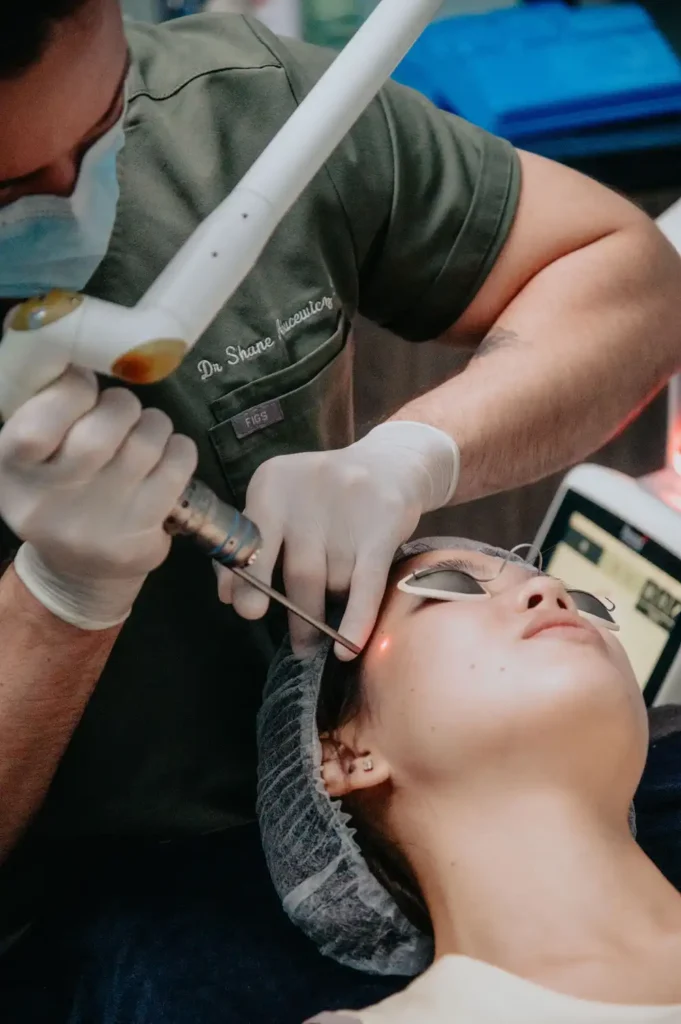
- Laser Treatments: Pico Lasers and Fractional CO₂ Lasers for pigmentation, acne scars, and skin rejuvenation.
- Chemical Peels: Medical-grade peels that go deeper than those used in beauty salons.
- Acne and Scar Treatment: Targeted solutions for cystic acne, stubborn breakouts, and scarring.
Essential Certifications and Licensing Requirements
A reputable beauty clinic in Singapore operates under a strict regulatory framework designed to protect patients. Before you even consider a treatment, verifying a clinic’s licensing is a crucial first step.
- MOH Licensing Verification: All aesthetic clinics in Singapore must be licensed by the Ministry of Health (MOH). This license ensures the clinic meets stringent standards for facility, equipment, and medical practices. You can verify a clinic’s status on the MOH website, a simple yet vital check that confirms their legitimacy. A lack of this license is a major red flag, as it means the clinic is operating outside of the required safety and ethical guidelines.
- SMC Registration for Doctors: The doctor performing your treatment must be registered with the Singapore Medical Council (SMC). The SMC is the governing body for all medical professionals in the country, and their registration ensures the doctor has the necessary qualifications and is authorised to practise medicine in Singapore. You can search for a doctor’s name on the SMC’s online register to confirm their status and check for any disciplinary actions.
- International Certifications that Matter: While not mandatory, international certifications can be a bonus. Certifications from organisations or specific training bodies for certain treatments demonstrate a clinic’s dedication to global best practices and continuous improvement. For instance, a doctor might be a certified trainer for a specific laser or injectable brand, indicating they are recognised as an expert in that particular technology.
Safety Standards You Can’t Compromise On
Medical-grade equipment and pharmaceutical products separate professional beauty clinics from beauty salons offering similar-sounding treatments. HSA-approved devices undergo rigorous testing for safety and efficacy, whilst cosmetic-grade alternatives lack this validation.
Non-negotiable safety elements:
- Sterile environment with proper ventilation
- Single-use needles and disposable items
- Autoclave sterilisation for reusable instruments
- Medical-grade products with proper storage
Proper clinics maintain detailed treatment records, conduct thorough consultations, and provide comprehensive aftercare instructions. They also have protocols for managing complications and emergency situations.
The presence of medical supervision distinguishes clinics from spas. Even for non-invasive treatments, having qualified medical professionals available ensures appropriate responses to unexpected reactions.
Treatment Success Rates and Before/After Portfolio
Understanding a clinic’s track record is a good way to manage your expectations and assess their skill. However, you need to be able to evaluate this information critically.
- How to Evaluate Realistic Results: When a clinic presents a portfolio of results, look for images that show realistic improvements, not dramatic transformations. A good portfolio will feature a variety of patients with different skin types and concerns. A credible clinic won’t promise a perfect outcome but will explain what is achievable for your specific condition.
- Red Flags in Before/After Photos: Be wary of photos that look too good to be true. Red flags include:
- Inconsistent lighting: The “after” photo is brighter or taken from a different angle.
- Different expressions or poses: The patient is smiling or posing differently, which can alter facial features.
- Photoshopping or blurring: The skin looks unnaturally smooth or pixelated.
- Success Rate Transparency: Instead of giving a single, impressive-sounding statistic, a reputable clinic will discuss success rates in the context of specific treatments and patient factors. For instance, they might say “for X treatment, we typically see a 70-80% improvement in pigmentation after three sessions, though individual results can vary based on skin type and sun exposure.” This level of detail shows transparency and expertise.
The key difference lies in the staff’s qualifications and the type of equipment used. A medical aesthetics clinic uses medical-grade devices and prescription treatments that require a doctor’s expertise for safe and effective use. This level of oversight ensures a higher standard of safety and accountability, providing patients with confidence in their procedures. If you have targeted skin or ageing concerns, or a medical skin condition like cystic acne, a medical aesthetics clinic is the right choice.
Popular Beauty Treatments in Singapore: What to Expect
Understanding common aesthetic procedures helps set realistic expectations and identify suitable treatments for your concerns. Each category offers different benefits, risks, and investment requirements.
Non-Invasive Facial Treatments and Results Timeline
These treatments are popular because they require minimal downtime and can deliver noticeable improvements in skin texture, tone, and clarity.
- HydraFacial, Chemical Peels, Microneedling:
- HydraFacial: This multi-step procedure cleanses, exfoliates, extracts, and hydrates the skin using a vortex-fusion technology. It’s excellent for improving overall skin health and addressing issues like dullness, oily skin, and enlarged pores.
- Chemical Peels: A chemical solution is applied to the skin to exfoliate the top layers, revealing a smoother, brighter complexion underneath. Peels can be tailored to different skin concerns, from mild peels for brightness to deeper peels for acne scars and fine lines.
- Microneedling: Tiny needles are used to create controlled micro-injuries in the skin, stimulating collagen production and improving skin texture, scars, and pores. It’s like a “reset” for your skin.
- Expected Downtime and Results: For most of these non-invasive treatments, downtime is minimal, typically ranging from a few hours of redness to a few days of peeling. Results can often be seen after a single session, but a series of treatments is usually needed for long-lasting effects.
- Treatment Frequency Recommendations: The frequency of treatments varies. HydraFacials can be done monthly for maintenance, while chemical peels and microneedling are often performed every 4-6 weeks to allow the skin to heal and regenerate between sessions.
Laser Treatments for Skin Concerns
Lasers are powerful tools used to treat a wide range of skin issues, from stubborn pigmentation to acne scars.
- Pigmentation, Acne Scars, Hair Removal: Lasers work by delivering targeted energy to specific chromophores (targets) in the skin. For pigmentation, they break down melanin. For acne scars, they stimulate collagen remodelling to smooth the skin’s surface. For hair removal, they target the pigment in the hair follicle to disable future growth.
- Technology Types and Effectiveness: There are many types of lasers, each with a different purpose. Pico lasers, for example, use ultra-short pulses to shatter pigment particles, making them highly effective for tattoo removal and pigmentation. Fractional CO2 lasers create tiny columns of heat in the skin to stimulate significant collagen production, making them excellent for deep acne scars and wrinkles.
- Skin Type Considerations: Not all lasers are suitable for every skin type, especially for individuals with darker skin tones, who are at a higher risk of post-inflammatory hyperpigmentation. A skilled doctor will assess your skin type and recommend the safest and most effective laser technology for you.
Injectable Treatments: Fillers and Botox Guide
Injectables are popular for their ability to deliver rapid, noticeable results for wrinkles and volume loss.
- Safety Protocols and Practitioner Expertise: The safety of injectables depends entirely on the practitioner’s expertise. The doctor must have a deep understanding of facial anatomy to avoid vital structures like blood vessels. Only a licensed and experienced medical professional should administer these treatments.
- Natural-Looking Results Expectations: The goal of modern injectables is to achieve a refreshed, natural look, not a frozen or overfilled appearance. A good practitioner will recommend a conservative approach, often using a small amount of product to restore volume or relax muscles gradually.
- Maintenance Requirements: The effects of injectables are temporary. Botulinum toxin (Botox) typically lasts 3-6 months, while dermal fillers typically last for more than a year, depending on the type and location. Maintenance sessions are required to keep the desired results.
Questions to Ask Before Choosing Your Beauty Clinic
Thorough consultations reveal clinic standards, practitioner expertise, and treatment suitability. Preparing specific questions ensures you gather essential information for confident decisions.
Essential Pre-Treatment Consultation Questions
These questions are designed to help you understand the proposed treatment, potential outcomes, and risks.
- Doctor’s Experience with Your Specific Concern: Ask about the doctor’s history with your issue. For example, “How often do you treat cystic acne with this particular method, and what kind of results have your patients experienced?”
- Expected Results and Timeline: Get a clear picture of what you can realistically expect. Ask for a timeline for visible results, and a breakdown of how many sessions might be needed.
- Potential Risks and Side Effects: A credible doctor will be upfront about the risks. Ask about common side effects like swelling, bruising, or redness, and what to do if they occur.
Cost and Payment Structure Inquiries
Transparent pricing prevents unexpected expenses and helps budget for complete treatment plans. Quality clinics provide detailed cost breakdowns including all associated fees.
- Total Treatment Cost Breakdown: Ask for a detailed cost breakdown. This should include the price per session, any package deals, and the cost of any necessary follow-up care. Be cautious of clinics that offer prices that seem too low, as this could indicate the use of cheaper, unproven products or inexperienced practitioners.
- Payment Plan Availability: Inquire about payment options. Many clinics offer various plans, which can make treatments more manageable.
- Refund and Revision Policies: Understand the clinic’s policies for dissatisfaction or complications. Are there any provisions for touch-ups or refunds if the results are not as expected?
Post-Treatment Support and Follow-Up Care
Comprehensive aftercare distinguishes professional clinics from transactional providers. Ongoing support ensures optimal healing, monitors for complications, and maximises treatment outcomes.
Support elements to confirm:
- Detailed aftercare instructions
- 24/7 emergency contact availability
- Scheduled follow-up appointments
- Product recommendations and availability
Proper clinics schedule follow-up appointments to monitor healing and assess results. They provide clear instructions for post-treatment care and remain available for questions or concerns.
Ask about their policy for managing complications or unexpected reactions. Professional establishments have clear protocols and immediate access to medical support when needed.

Why choose Dr Shane for Aesthetic Treatment in Singapore?
Choosing an aesthetic clinic or treatment isn’t about finding the “best device” – it’s about finding the right expertise.
At Dr Shane’s clinic, we believe remarkable results begin with three fundamentals: medical precision, honest advice, and customised care.
While many clinics focus on selling treatments, we prioritise:
- In-depth 1-1 skin health consultations (at least 30 mins)
- HSA/FDA-compliant protocols using approved devices with documented safety profiles
- Personalised energy settings adjusted for your unique skin thickness and concerns
What makes our approach different?
✔ Doctor-Led Consultations
Every treatment plan begins with a medical evaluation of your skin’s needs – not a sales conversation.
✔ Safety-First Philosophy
We use only HSA-approved devices and disclose all potential risks transparently.
✔ No Pressure, Just Professional Advice
You’ll leave your consultation either:
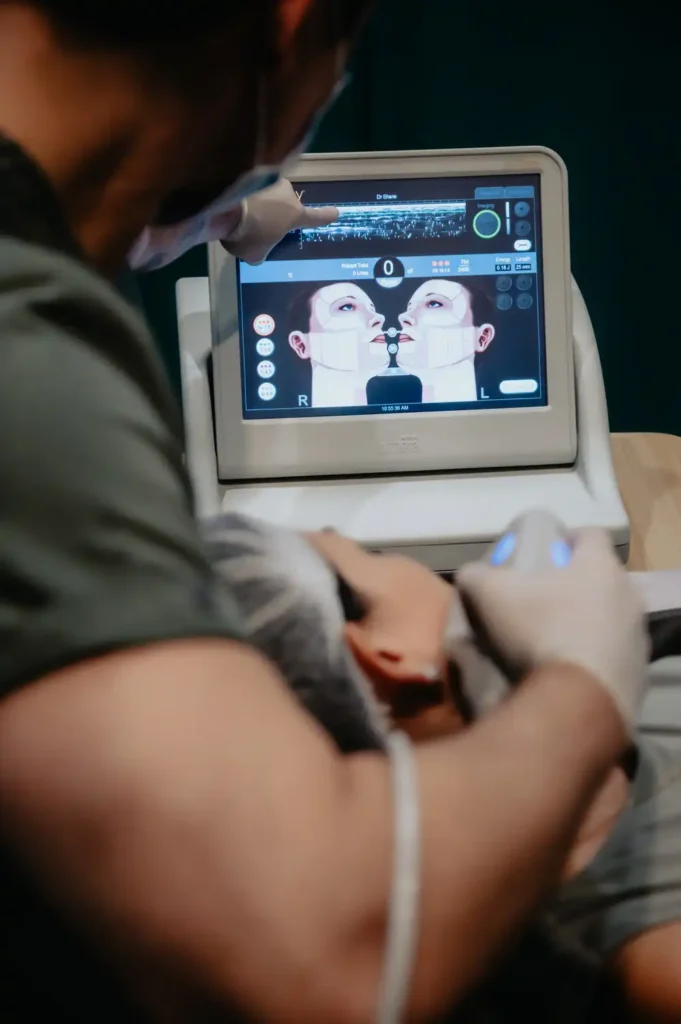
- Confident Ultherapy is right for you, or
- Aware of better alternatives for your goals
✔ Natural-Looking Results
Our treatment plans prioritise gradual, authentic improvement over dramatic but short-lived changes.
✔ Continued Aftercare
Post-treatment guidance to help maintain and optimise your results
The First Step is Always a Conversation
Many patients discover during consultation that their skin concerns actually require:
→ A different treatment approach
→ Combination therapies
→ Or simply more time before considering procedures
Book a skin health assessment to get professional insights before deciding on any treatment.
Let us help you find what’s right for your skin—not just what’s trending.
Secure your consultation slot with Dr Shane today
Great skin starts with the right diagnosis.