
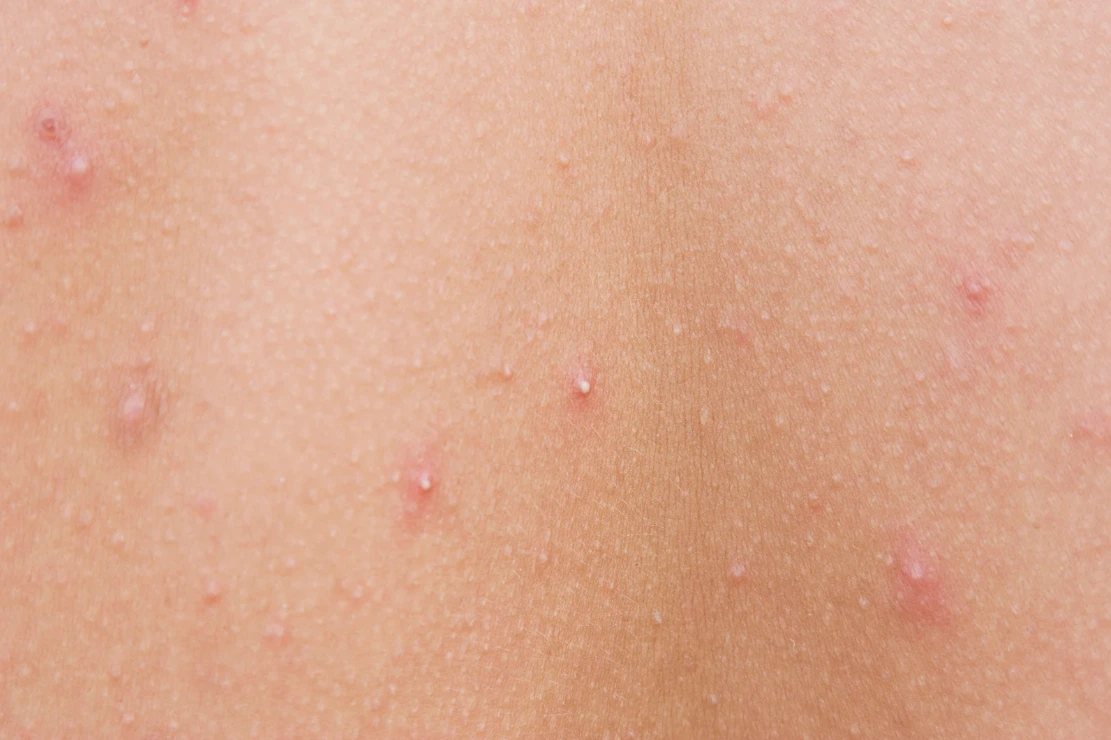
Have you ever noticed small, flesh-coloured bumps scattered across your forehead or chin that won’t seem to budge, no matter how much you cleanse? These persistent little bumps might be closed comedones.
Closed comedones, commonly called whiteheads, represent one of the mildest yet most stubborn forms of acne. Unlike their darker cousins (blackheads), these bumps remain trapped beneath the skin’s surface, creating that characteristic smooth, bump-like texture that many find frustrating. In Singapore’s humid climate, understanding and treating closed comedones becomes even more crucial, as our tropical environment can both trigger and worsen these pesky skin concerns.
If you’ve spent months trying every acid, peel, and scrub on the market without success, it is completely understandable to feel defeated. The truth is, clearing closed comedones often requires more than just a dedicated routine; it requires a specialised, clinical approach. We’ll guide you through exactly what these blemishes are, what causes them (especially in our humid climate), the limits of home care, and what are treatment options.
What Are Closed Comedones? (Understanding the Basics)
Closed comedones form when hair follicles become completely blocked by a mixture of excess sebum (oil), dead skin cells, and cellular debris. This blockage creates a small, dome-shaped bump that remains sealed beneath a thin layer of skin, preventing the contents from oxidising and turning black.
The key difference lies in their structure. While both closed and open comedones result from clogged pores, closed comedones remain sealed, creating an anaerobic environment where the trapped material stays white or flesh-coloured. They typically appear as small, raised bumps measuring 1-3mm in diameter, feeling slightly firm to the touch.
Closed Comedones vs. Blackheads: Key Differences
The main difference between a closed comedone (whitehead) and an open comedone (blackhead) boils down to whether the pore opening is sealed or exposed to air. Understanding this difference proves crucial for choosing appropriate treatments, as closed comedones often require more patience and specific approaches to resolve effectively.

| Feature | Closed Comedone (Whitehead) | Blackheads (Open Comedones) |
|---|---|---|
|
Pore Opening |
Closed, sealed by a thin layer of skin |
Open, exposed to the air |
|
Appearance |
Small, white, or flesh-coloured bump; raises the skin surface |
Dark brown or black dot, flat or slightly sunken |
|
Colour Cause |
Keratin and sebum are trapped beneath the skin’s surface |
The trapped sebum and keratin oxidise (react with air), turning the plug dark |
|
Extraction Difficulty |
Requires professional piercing/lancing to extract |
Easier to extract, often possible with correct pressure |
What Causes Closed Comedones? (Root Cause Analysis)
Multiple factors contribute to closed comedone formation, often working in combination to create the perfect storm for clogged pores. Understanding these causes helps develop more effective prevention and treatment strategies.
The root cause of any comedone is hyper-keratinisation—the abnormal shedding and accumulation of dead skin cells inside the pore lining. When this combines with an overproduction of sebum, the pore inevitably clogs. While this process is universal, certain factors can ramp up both cell turnover and oil output.
- Genetic Predisposition: If your parents or siblings have struggled with comedonal acne, you are genetically predisposed to an excess of sebum production and a more ‘sticky’ pore lining. Your body appears to generate more keratin plugs than others.
- Androgen Hormones: Hormonal fluctuations, especially during puberty, menstruation, or periods of high stress, increase androgen levels. Androgens are the primary drivers for stimulating the sebaceous glands to produce excessive sebum, directly fuelling comedone formation.

Hormonal Changes and Comedone Formation
Hormones are often the unseen architects of persistent closed comedones. Testosterone and other androgens bind to receptors in the sebaceous glands, essentially hitting the accelerator pedal on oil production. For many women, this results in pre-menstrual or stress-induced breakouts, where the closed comedones appear suddenly and cluster, particularly around the lower face and chin. Even subtle hormonal shifts can trigger a cascade effect, leading to a build-up of cellular debris that your body cannot naturally expel fast enough. This hormonal component is precisely why over-the-counter washes often fail, as they only address the surface oil and neglect the powerful internal stimulus. A true solution may suggest targeting these internal pathways under clinical guidance.
Singapore’s Climate Impact on Closed Comedones
Living in Singapore means constantly battling heat and humidity. This tropical climate creates a unique environment where the skin is often warm, moist, and prone to sweating—a perfect storm for comedone flare-ups.
- Increased Sebum Flow: High temperatures increase the fluidity and flow of sebum, making it more easily trapped in the pores.
- Occlusion from Sweat: Sweat, combined with dust and dead skin cells, can thicken on the skin’s surface. When this mixture dries, it acts as a physical blanket, or an occlusion, over the pore openings, facilitating the formation of closed comedones.
- Product Breakdown: Many skincare and makeup products that work perfectly in drier climates can feel heavy or break down in the humidity, becoming comedogenic (pore-clogging) on the skin.


Diet and Lifestyle Factors in Tropical Conditions
While research remains complex, certain dietary and lifestyle choices may exacerbate closed comedones, especially when combined with the humidity in Singapore.
- High Glycaemic Load Foods: Consuming foods that cause rapid spikes in blood sugar (like refined carbohydrates and sugary drinks) may suggest a link to increased insulin, which in turn influences androgen activity and sebum production.
- Dairy Intake: Some evidence appears to link skim milk and whey protein to acne flare-ups in susceptible individuals, possibly due to hormones present in the milk or whey.
- Stress and Cortisol: The pressures of modern life in a fast-paced city like Singapore elevate cortisol levels. Cortisol is likely to indirectly boost oil production, contributing to the development of these persistent bumps. Managing stress is a crucial, though often overlooked, part of a holistic treatment plan.
How Long Do Closed Comedones Take to Go Away Naturally?
The natural resolution timeline for closed comedones varies considerably depending on individual skin characteristics, environmental factors, and the specific circumstances that led to their formation.
Without intervention, closed comedones may persist for several weeks to many months. The skin’s natural cell turnover cycle occurs approximately every 28 days in healthy young adults, but this process slows with age and can be disrupted by various factors. In Singapore’s climate, this timeline may extend due to the challenges humid conditions pose to normal exfoliation processes.
Timeline for Natural Resolution Without Treatment
The timeline for natural resolution is highly unpredictable and often disappointing. Most closed comedones require 4-8 weeks to resolve naturally through the skin’s normal renewal process. However, this assumes optimal conditions where no new comedones form and existing ones aren’t continuously reinforced by ongoing triggers.
The resolution process involves gradual migration of the trapped material toward the skin’s surface as new cells form beneath. Eventually, the comedone contents may be naturally expelled or reabsorbed. Unfortunately, this process often occurs so slowly that new comedones form before existing ones resolve, creating a persistent cycle.
Some closed comedones may transform into inflamed lesions if bacteria penetrate the follicle, actually prolonging the resolution time. Others might spontaneously rupture beneath the skin’s surface, potentially causing minor inflammation before healing.

Factors That Affect Healing Duration in Singapore’s Climate
Singapore’s environment creates several factors that can extend natural healing times. The high humidity levels may impair the skin’s natural exfoliation process, allowing comedones to persist longer than they might in drier climates.
Increased sweating, common in tropical conditions, can introduce additional bacteria and debris into follicles, potentially complicating the healing process. The constant heat may also stimulate ongoing sebum production, continuously feeding existing comedones and promoting new ones.
UV exposure, despite cloud cover and urban pollution, remains substantial year-round in Singapore. This consistent UV stress can thicken the stratum corneum, making natural comedone resolution more difficult.

When Closed Comedones Won’t Go Away on Their Own
Several circumstances indicate that natural resolution is unlikely without intervention:
- Persistent clustering: When multiple comedones remain in the same area for over 8 weeks
- Continuous new formation: If new comedones appear faster than existing ones resolve
- Inflammatory progression: When closed comedones begin developing into inflamed papules
- Widespread distribution: Large numbers of comedones across multiple facial areas
- Associated symptoms: Skin texture changes, increased sensitivity, or secondary infections
Professional evaluation becomes advisable when closed comedones significantly impact quality of life or confidence. Early intervention often prevents progression to more severe forms of acne and can restore normal skin texture more quickly than waiting for natural resolution.

Professional Approach to Managing and Preventing Closed Comedones in Singapore

Dealing with closed comedones—those frustrating, non-inflamed bumps often called whiteheads—is rarely a straightforward matter. Because these lesions represent a blockage beneath a layer of skin, they can be particularly stubborn, and the usual over-the-counter creams might not penetrate effectively. Consequently, the best course of action often isn’t a quick fix from the pharmacy shelf, but rather a structured, professional management plan focused on prevention.
At Dr Shane’s, the initial and critical preventative step involves a thorough Skin Health Consultation. Rather than simply prescribing a standard product, the philosophy here appears to be rooted in cutting through the noise of generic skincare advice to truly understand the patient’s unique physiological and lifestyle factors. This initial phase is crucial; it’s where Dr Shane is likely to assess everything from your current skincare ingredients and application technique to external factors like stress, diet, and even the Singaporean climate, all of which contribute to pore congestion.
Preventative Strategies
Since a key feature of comedones is the abnormal shedding of dead skin cells (keratinocytes) that clog the follicle, any effective long-term preventative measure must address this cellular process directly.
The Foundation: Prescription-Strength Topical Agents
While over-the-counter options might offer limited relief for mild congestion, the cornerstone of prevention is likely to be a prescription-strength retinoid, such as Tretinoin or Adapalene. These agents are powerful comedolytics because they normalise the cellular turnover within the pore, essentially stopping the tiny, unseen blockages (microcomedones) from ever maturing. Introducing such potent compounds, which may suggest some initial irritation, requires careful titration and professional monitoring to ensure sustained adherence.
Targeting the Source: In-Clinic Procedures
For individuals with persistently congested or excessively oily skin, Dr Shane might consider integrating in-clinic procedures. Treatments utilising advanced technology, for instance, a laser system like the Fotona SP Dynamis Pro, are occasionally employed with the aim of reducing sebaceous gland activity. This proactive step helps to suppress the volume of oil that contributes to future blockages, going beyond topical creams to address the source of the problem.
Ultimately, maintaining clear skin is a continuous effort that is best supported by a tailored, medical-grade routine. The most robust prevention, therefore, stems from a professional consultation that dictates a safe and sustainable plan, customised to your specific needs, and of course, compliant with HSA guidelines.
Professional Closed Comedone Removal
While at-home treatments can be effective, professional intervention often provides faster, more comprehensive results for stubborn closed comedones. Professional treatments also address underlying skin health factors that home care might miss.
The decision to seek professional treatment typically depends on the extent of comedone involvement, previous treatment response, and individual lifestyle factors. In Singapore’s aesthetic medicine landscape, several advanced options are available for effective comedone management.
Why Choose Dr Shane Aesthetic for Closed Comedone Treatment
Choosing Dr Shane means selecting a partnership focused on medical-grade results and long-term skin health, rather than just quick fixes. Our commitment to treating comedonal acne rests on three pillars:
- Precision Diagnosis: Dr Shane does not simply treat the bump; he aims to understand the root cause—is it hormonal, genetic, or environmental? This allows for a targeted, personalised treatment plan that includes prescription products if necessary.
- A Combination Approach: We understand that one size never fits all. We integrate gold-standard treatments—like professional extraction, therapeutic chemical peels, and sometimes light laser therapy—to achieve smoother, faster results.
- Scar Prevention: The highest priority during any removal process is preventing trauma and subsequent scarring. Dr Shane and the clinical team use the most advanced, sterile techniques to minimise inflammation and textural damage.

Advanced Extraction Techniques at Dr Shane Aesthetic Clinic
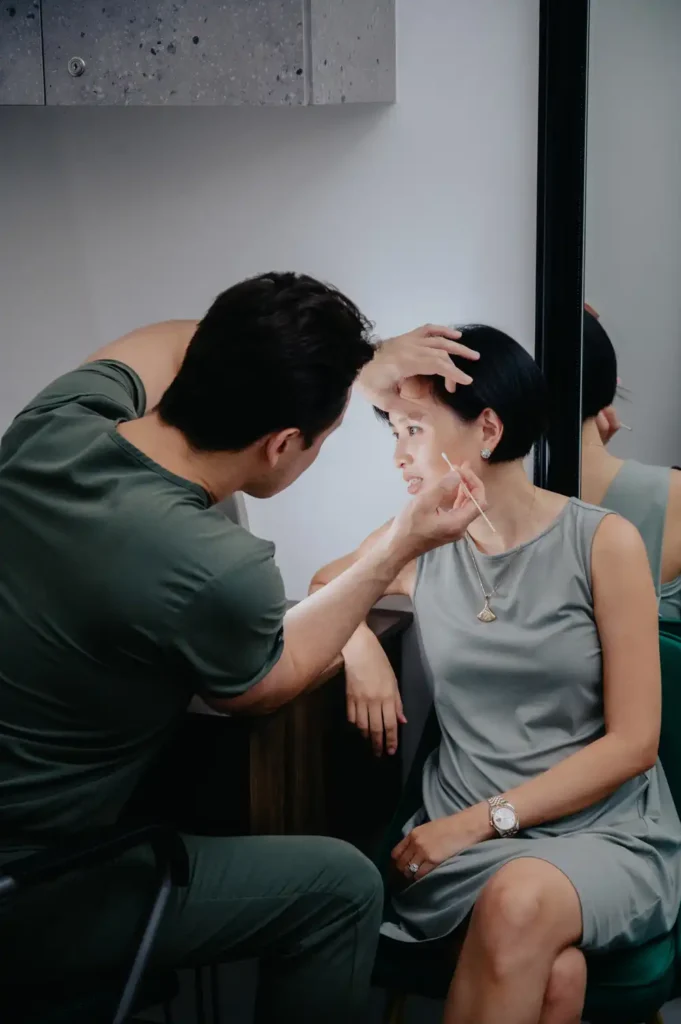
Professional extraction at Dr Shane’s clinic goes beyond simple manual removal, incorporating advanced techniques that minimise trauma while maximising effectiveness.
- Comedone Extractor Tools: Specialised instruments designed for different comedone types and locations allow for precise removal with minimal surrounding tissue damage. The clinic uses medical-grade tools that are properly sterilised and appropriate for each specific case.
- Pre-extraction Preparation: Steam therapy or warm compresses help soften the comedone contents, making extraction easier and less traumatic. Some cases benefit from pre-treatment with topical keratolytics to further soften the plugged material.
- Post-extraction Care: Immediate application of anti-inflammatory and antimicrobial agents helps prevent infection and reduce healing time. The clinic provides specific aftercare instructions tailored to Singapore’s climate conditions.
- Combination Approaches: For extensive comedone involvement, extraction may be combined with other treatments like light chemical peels or microdermabrasion for optimal results.
Chemical Peels and Professional Treatments Available
To enhance the results of extraction and tackle overall congestion, Dr Shane may recommend complementary professional treatments:
- Salicylic Acid Chemical Peels: Unlike over-the-counter products, clinical peels use higher concentrations (typically 20-30%) of salicylic acid. This strong BHA application efficiently penetrates the skin to dissolve sebum and loosen the dead skin cell bond throughout the entire treatment area, preventing new closed comedones from forming.
- Light-Based Therapies: Certain non-ablative lasers or light treatments (such as specific wavelengths of LED or Vascular Lasers) may be deployed. While not direct comedone removal methods, they can significantly reduce the bacteria load and calm inflammation, setting the stage for smoother, clearer skin.
- Microdermabrasion or Micro-Resurfacing: These treatments gently exfoliate the uppermost layer of the skin, thinning the dome of the closed comedone and making it easier for extraction or topical products to work.


Why choose Dr Shane for Closed Comedones Removal in Singapore?
When closed comedones persist despite consistent home care, or when rapid improvement is desired, professional treatment becomes the logical next step. Dr Shane Aesthetic Singapore offers distinct advantages for those seeking effective, personalised comedone management.
At Dr Shane’s clinic, we believe remarkable results begin with three fundamentals: medical precision, honest advice, and customised care.
While many clinics focus on selling treatments, we prioritise:
- In-depth 1-1 skin health consultations (at least 30 mins)
- HSA/FDA-compliant protocols using approved devices with documented safety profiles
- Personalised energy settings adjusted for your unique skin thickness and concerns
What makes our approach different?
✔ Doctor-Led Consultations
Every treatment plan begins with a medical evaluation of your skin’s needs – not a sales conversation.
✔ Safety-First Philosophy
We use only HSA-approved devices and disclose all potential risks transparently.
✔ No Pressure, Just Professional Advice
You’ll leave your consultation either:
- Confident this treatment is right for you, or
- Aware of better alternatives for your goals
✔ Natural-Looking Results
Our treatment plans prioritise gradual, authentic improvement over dramatic but short-lived changes.
✔ Continued Aftercare
Post-treatment guidance to help maintain and optimise your results
The First Step is Always a Conversation
Many patients discover during consultation that their skin concerns actually require:
→ A different treatment approach
→ Combination therapies
→ Or simply more time before considering procedures
Book a skin health assessment to get professional insights before deciding on any treatment.
Let us help you find what’s right for your skin—not just what’s trending.
Secure your skin health consultation slot with Dr Shane today
Great skin starts with the right diagnosis.