
Published on: 28 September 2026
Collagen induction therapy, commonly known as microneedling, uses ultra fine needles to stimulate the body’s natural healing response and boost collagen production. This minimally invasive aesthetic treatment effectively addresses acne scars, enlarged pores, and fine lines. In Singapore, options range from standard mechanical microneedling to advanced radiofrequency and bio-microneedling, offering tailored solutions for various skin concerns.
Persistent acne scars, uneven skin texture, and enlarged pores are common dermatological concerns that surface-level skincare often cannot fully address. Collagen induction therapy offers a clinically proven method to rejuvenate your complexion from within, triggering natural dermal repair for a smoother, firmer appearance.
CONTENTS
- What Is Collagen Induction Therapy?
- Types of Collagen Induction Therapy Available in Singapore
- What Skin Concerns Can Collagen Induction Therapy Help With?
- Safety Profile and Considerations for Asian Skin Tones
- Costs, Treatment Schedules, and Combination Protocols in Singapore
- Ready to Restore Your Natural Collagen?
What Is Collagen Induction Therapy?
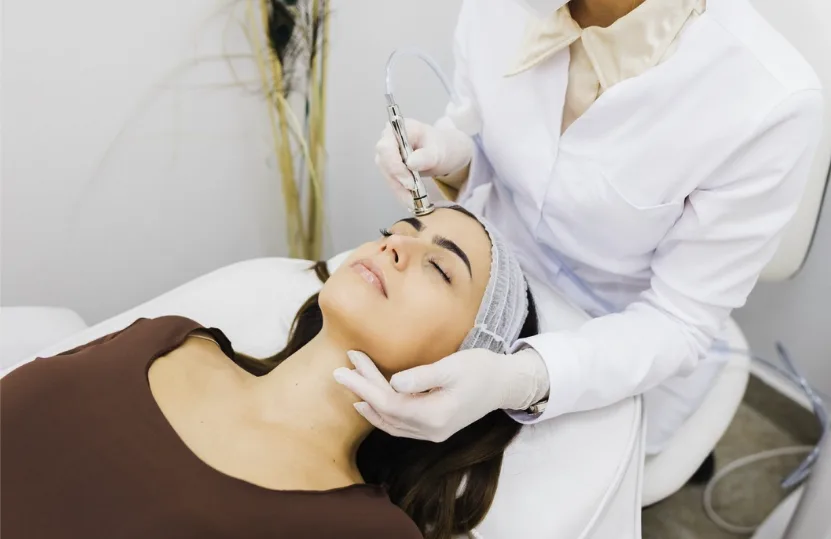
Collagen induction therapy (CIT) is a minimally invasive medical procedure designed to revitalise the skin by stimulating new collagen and elastin production. Using tiny, sterile needles, the treatment creates micro channels in the skin’s surface. This process initiates the natural wound healing cascade, restructuring the deeper dermal layers without removing the outer epidermis.
How Micro-Needles Trigger Your Skin’s Natural Repair
During a collagen induction therapy session, a dermatologist or aesthetician uses a device with ultra-fine sterile needles to create controlled micro-injuries across your skin. These needles penetrate the epidermis and reach the dermis, stimulating fibroblasts to produce new collagen and elastin. The body perceives these microtrauma channels as damage and initiates its own repair mechanism. Within days, new collagen synthesis begins. Unlike aggressive treatments, CIT encourages regeneration without destroying healthy tissue.
Why Collagen Drops as We Age
Natural collagen production begins to decline steadily in our mid twenties. Medical studies suggest that we lose approximately one percent of our dermal collagen thickness each year. In Singapore, intense ultraviolet radiation and consistently high humidity accelerate this degradation process. These environmental stressors compromise the skin barrier and breakdown structural proteins at a faster rate. Furthermore, urban pollution introduces free radicals that cause oxidative stress within the dermal layers. As a result of these combined factors, the skin gradually loses its natural bounce and elasticity. Pores begin to look larger as their structural walls weaken, and fine lines become much more visible across the face. Understanding this biological decline explains why proactive structural stimulation is necessary to maintain a youthful complexion over time.
Topical Skincare vs. Mechanical Collagen Induction
Topical skincare products primarily act on the superficial stratum corneum, which is the outermost layer of dead skin cells. While they provide excellent hydration and surface level protection, they cannot mechanically stimulate fibroblast activity in the deeper layers where structural changes occur. Mechanical collagen induction creates physical pathways that effectively bypass this barrier. These micro channels also increase the skin’s overall permeability. During a clinical session, active sterile serums can penetrate deeply into the dermis rather than just sitting on the surface. This targeted delivery enhances cellular repair and nourishment far beyond what daily moisturisers or over the counter serums can achieve. By directly accessing the papillary dermis, the treatment triggers a profound regenerative response that surface level products are simply not designed to replicate.
Types of Collagen Induction Therapy Available in Singapore
Singapore clinics offer various types of collagen induction therapy to suit different skin needs. Options include standard mechanical devices, advanced radiofrequency systems, and needle free marine spicule treatments.
Standard Mechanical Microneedling and Hydrating Serums
Traditional microneedling uses sterile needles (typically 0.5–2.5mm depth) to create micro-channels. Post-treatment, hydrating serums and peptide complexes penetrate these channels, accelerating healing and reducing inflammation. This approach is cost-effective, suitable for sensitive skin, and requires minimal downtime. Most practitioners in Singapore offer this as the standard entry-level CIT option.
Radiofrequency (RF) Microneedling for Deeper Dermal Tightening
RF-assisted microneedling combines needle-induced trauma with radiofrequency energy, heating the dermis to 55–65°C. This dual mechanism accelerates collagen remodelling and skin tightening. RF microneedling is more effective for moderate to severe sagging and deeper scars, but requires longer recovery and carries slightly higher sensitivity risk. Costs are typically 2–3 times higher than standard microneedling.
Bio-Microneedling and Natural Marine Spicules
Some clinics in Singapore offer bio-microneedling using hyaluronic acid-derived spicules or marine-sourced materials. These create micro-channels whilst depositing hydrating or collagen-boosting compounds simultaneously. This hybrid approach reduces post-treatment irritation and can be ideal for those with reactive skin or those seeking anti-ageing maintenance treatments.
Collagen Induction Therapy vs. Fractional Lasers
Fractional CO₂ and Erbium lasers ablate skin tissue, creating thermal injury. Whilst more aggressive and faster-acting for deep scars, they carry higher downtime and post-inflammatory hyperpigmentation (PIH) risk—particularly problematic for deeper skin tones. CIT offers gentler, more gradualist results with minimal PIH risk, making it the preferred choice for Asian skin tones and those avoiding extended downtime.
What Skin Concerns Can Collagen Induction Therapy Help With?
Collagen induction therapy effectively targets a variety of common dermatological concerns. It addresses atrophic acne scars, refines enlarged pores, and softens fine lines by rebuilding the skin’s structural support.
Reconstructing Acne Scars and Pitted Texture
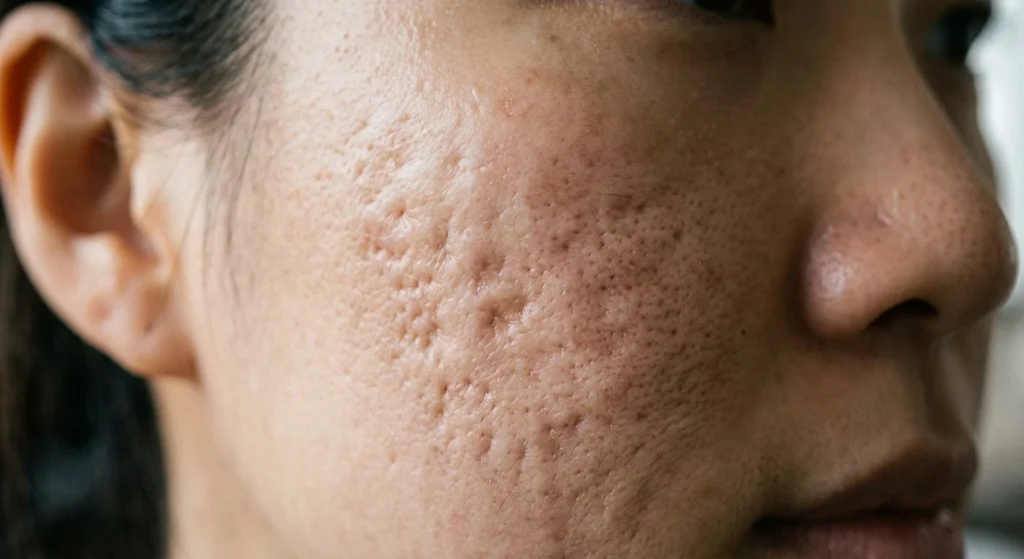
Atrophic acne scars form when severe inflammatory acne destroys underlying dermal tissue, leaving visible depressions on the skin surface. Collagen induction therapy physically breaks down the rigid micro scar tissue anchored beneath the surface. As the skin initiates its healing response, new collagen synthesis gradually elevates the depressed scar bases. This process is particularly beneficial for treating rolling, boxcar, and shallow icepick scars. Over a series of sessions, the scar floor rises to align more closely with the surrounding healthy skin. For severe or deeply tethered scars, doctors may recommend combining this treatment with subcision to manually release the fibrotic bands first. This multi step approach ensures comprehensive scar remodelling, providing patients with a much smoother and more even complexion over time.
Minimising Enlarged Pores and Rough Skin
Enlarged pores appear more prominent when surrounding skin loses elasticity. CIT tightens and thickens the dermal matrix, making pores appear smaller and skin texture smoother. Those with oily or combination skin benefit particularly, as improved skin barrier function often reduces sebum production over time.
Softening Fine Lines and Fading Post-Acne Dark Spots
Fine lines diminish as new collagen plumps the skin. Post-inflammatory hyperpigmentation (PIH) and acne marks fade through accelerated cellular turnover and improved circulation. CIT pairs well with vitamin C or niacinamide serums to further address discolouration.
Safety Profile and Considerations for Asian Skin Tones
Safety is a primary consideration when choosing aesthetic treatments. Collagen induction therapy presents a favourable safety profile, particularly for Asian skin types, provided it is performed by a qualified medical professional.
Lower Risk of Post-Inflammatory Hyperpigmentation (PIH)
Unlike ablative lasers, microneedling creates only micro-injuries and does not ablate the epidermis. Because thermal stress is minimal, the risk of post-inflammatory hyperpigmentation (PIH) is minimal for Asian skin tones, including individuals with Fitzpatrick Types IV to VI (Yadav & Singh, 2016). Strict post-treatment sun protection further helps prevent any UV-induced pigmentation changes.
Who Is a Suitable Candidate for This Treatment?
Ideal candidates include those with: acne scarring, enlarged pores, fine lines, uneven texture, or mild to moderate skin laxity. Age is not a limiting factor; even teenagers with severe acne scars benefit from CIT. Pregnant or nursing individuals should postpone treatment pending medical clearance.
When You Should Avoid or Delay Treatment
Avoid CIT if you have: active infections (herpes simplex, bacterial acne), severe eczema or psoriasis flares, open wounds, or are taking oral isotretinoin (Accutane). Those with keloid-prone skin should consult their dermatologist before proceeding. Recent chemical peels or laser treatments warrant a 2 to 4 week interval before microneedling.
Costs, Treatment Schedules, and Combination Protocols
Planning an aesthetic treatment involves considering the typical price points, recommended visit intervals, and complementary clinical options. Treatment costs fluctuate based on the specific technology used, clinic location, practitioner experience, and individualised care plans.
In Singapore, standard mechanical microneedling generally ranges from SGD 400 to 600 per session. Advanced options such as radiofrequency microneedling typically cost between SGD 1,000 and 1,900 per session, while bio-microneedling with peptides usually falls between SGD 700 and 900 per session.
To achieve visible improvements, a primary course of 3 to 6 sessions spaced 4 to 6 weeks apart is commonly recommended. More pronounced conditions, such as deep acne scars or significant pore enlargement, may benefit from 6 to 8 sessions. Tissue remodelling typically continues for 3 to 6 months following the final session, and maintenance visits every 6 to 12 months may be considered to help maintain skin quality.
For targeted skin concerns, clinicians may recommend combining microneedling with complementary techniques. Subcision, which involves releasing fibrous scar bands anchored beneath deep atrophic scars, can be performed alongside collagen induction therapy to help improve severe scarring. Additionally, post-procedure topical exosomes (cell-derived extracellular vesicles) may be applied to support tissue repair and calm the skin. Clinics often structure these complementary approaches into tailored treatment plans based on individual patient suitability.

Why Choose Dr Shane for Treatment in Singapore?
Collagen induction therapy offers a scientifically grounded approach to skin rejuvenation. By harnessing the body’s natural healing capabilities, it provides a versatile solution for acne scars, enlarged pores, and fine lines. With various options available in Singapore, from mechanical devices to advanced radiofrequency systems, treatments can be tailored to meet individual needs while maintaining a strong safety profile for Asian skin tones.
At Dr Shane’s clinic, we believe remarkable results begin with three fundamentals: medical precision, honest advice, and customised care.
While many clinics focus on selling treatments, we prioritise:
- In-depth 1-1 skin health consultations (at least 30 mins)
- HSA/FDA-compliant protocols using approved devices with documented safety profiles
- Personalised energy settings adjusted for your unique skin thickness and concerns
What makes our approach different?
✔ Doctor-Led Consultations
Every treatment plan begins with a medical evaluation of your skin’s needs – not a sales conversation.
✔ Safety-First Philosophy
We use only HSA-approved devices and disclose all potential risks transparently.
✔ No Pressure, Just Professional Advice
You’ll leave your consultation either:
- Confident this treatment is right for you, or
- Aware of better alternatives for your goals
✔ Natural-Looking Results
Our treatment plans prioritise gradual, authentic improvement over dramatic but short-lived changes.
✔ Continued Aftercare
Post-treatment guidance to help maintain and optimise your results
The First Step is Always a Conversation
Many patients discover during consultation that their skin concerns actually require:
→ A different treatment approach
→ Combination therapies
→ Or simply more time before considering procedures
Book a skin health assessment to get professional insights before deciding on any treatment.
Let us help you find what’s right for your skin—not just what’s trending.
Secure your skin health consultation slot with Dr Shane today
Great skin starts with the right diagnosis.