
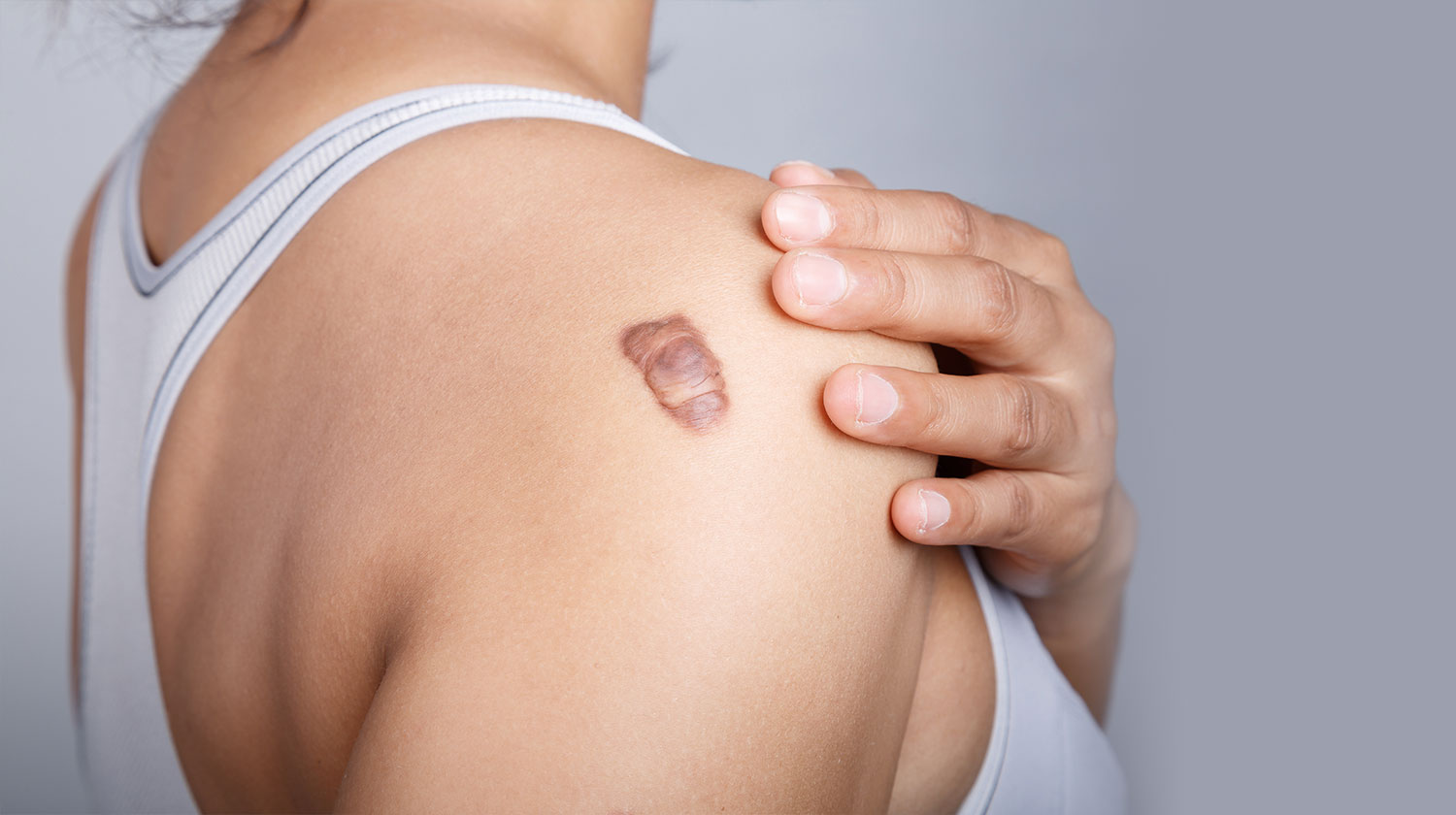
That small cut or piercing you had years ago shouldn’t still be a problem, should it? Yet, for many in Singapore, the aggressive, raised tissue of a keloid scar becomes a frustrating, often uncomfortable, and persistent issue. Unlike typical scars that fade over time, a keloid scar overgrows the original wound boundaries, forming a firm, rubbery mass that continues to expand. These can appear anywhere but are commonly found on the chest, shoulders, earlobes, and back. Successfully managing a keloid scar demands more than just topical creams; it requires a specialised, multi-modal strategy tailored to the individual. Understanding the cause, having a plan for prevention, and knowing which advanced treatments are available in Singapore are the first critical steps toward reclaiming smoother skin.
What Causes Keloid Scars? Risk Factors & Triggers
Understanding the origin of a keloid scar is absolutely key to preventing its development or recurrence. While virtually any skin injury can be a potential trigger, certain genetic and ethnic factors appear to increase the likelihood of developing these tough, raised scars quite considerably. It isn’t simply a matter of bad luck; rather, it relates to how your body’s fibroblast cells, which are responsible for wound healing, sometimes go into overdrive and fail to turn off the collagen-producing mechanism. The following sections explore the common predisposition factors and environmental catalysts that can lead to the formation of a problematic keloid scar.

Who Usually Gets Keloid Scars? Understanding Genetic Predisposition
Keloids don’t discriminate, but they do show clear patterns in who’s most affected. People with darker skin tones—particularly those of African, Asian, or Hispanic descent—tend to develop keloids at higher rates. This isn’t merely a coincidence; something about melanin-rich skin appears to correlate with a stronger fibroblast response during healing.
Age matters too. Most keloids appear between the ages of 10 and 30, when the body’s healing mechanisms are most active. After 30, the incidence drops, though keloids can still develop at any age. If you’re a young adult with darker skin, your risk is naturally higher.
Family history plays a substantial role here. When keloids run in families, there’s often a recognisable pattern—parents or siblings who’ve dealt with similar scarring. This suggests genetic factors influence how your body responds to skin injury, though researchers haven’t yet identified all the specific genes involved.
Common Triggers for Keloid Scar Formation
Keloids can develop after virtually any skin injury, but certain triggers are more common than others:
- Piercings rank among the most frequent culprits, particularly ear piercings. The earlobe seems especially prone to keloid formation—something about the trauma of piercing combined with the area’s tissue characteristics creates ideal conditions. Body piercings elsewhere carry similar risks.
- Surgical incisions can trigger keloids, even when the surgery itself goes perfectly. This includes everything from caesarean sections to cosmetic procedures. The tension on healing wounds and the depth of tissue injury both contribute to keloid risk.
- Acne scars sometimes evolve into keloids, particularly on the chest, shoulders, and back. Severe or cystic acne that causes deeper skin damage increases this possibility. Burns, whether from heat, chemicals, or sun exposure, can also lead to keloid formation as the skin attempts to repair extensive damage.
- Even minor injuries—vaccination sites, insect bites, or small cuts—may trigger keloids in susceptible individuals. The body’s healing response can sometimes be disproportionate to the initial injury, which is what makes keloid prevention so challenging.
Keloid Scar Treatment Options in Singapore: From Conservative to Advanced
Singapore offers comprehensive keloid treatment options ranging from simple topical applications to advanced combination therapies. The challenge with keloids lies not just in reducing them, but in preventing recurrence—which is why most dermatologists recommend combining multiple approaches tailored to your specific scar.
First-Line Treatments: Corticosteroid Injections
Corticosteroid injections, specifically using triamcinolone acetonide (a type of steroid), remain the gold standard and first-line treatment for a keloid scar. A small amount of the steroid is injected directly into the scar tissue. This steroid acts as a powerful anti-inflammatory agent, helping to reduce the swelling, alleviate the associated itching and pain, and, most importantly, inhibit the overactive fibroblast cells that are producing the excess collagen. The result is typically a progressive flattening and softening of the scar over a course of treatments. A series of injections, usually spaced two to four weeks apart, is necessary for optimal results.

Cryotherapy for Keloid Scars
Cryotherapy involves the controlled application of extremely cold temperatures, usually liquid nitrogen, to freeze and destroy the excess scar tissue. This method works by inducing ice crystal formation inside the cells of the keloid scar, causing cell death and subsequent tissue breakdown over the following weeks. It appears to be a particularly effective technique for smaller, narrower keloids. Treatment typically requires multiple sessions, often spaced several weeks apart, as the freezing process must work its way through the entire thickness of the keloid. For enhanced results, cryotherapy is often combined with steroid injections; the freezing process tends to make the scar tissue more permeable and thus more receptive to the subsequent steroid medication.

Laser Therapy for Keloid Scar Treatment
Laser treatment offers a non-invasive option that can improve keloid appearance, though it rarely eliminates keloids completely. Different laser types target different aspects of keloid tissue, and the best choice depends on your specific scar characteristics.
- Pulsed-dye lasers (PDL) target the blood vessels within keloids. By reducing vascularity, these lasers can decrease redness and potentially slow keloid growth. The treatment feels like tiny rubber band snaps against the skin and causes temporary redness. PDL works best for pink or red keloids and is less effective for brown or mature keloids.
- Fractional CO2 lasers take a different approach, creating microscopic columns of heat in the keloid tissue. This stimulates remodelling and can improve texture and thickness. Fractional lasers can also help with pigmentation and surface irregularities. Recovery involves a few days of redness and mild swelling.

Botulinum Toxin
Botulinum Toxin has been showed to aid significantly in the shrinking of stubborn keloids, likely due to its effect on the tension of the tissue within the scar. It also suppresses vascular growth to the growing keloid and works well with corticosteroid injections and vascular lasers over time in reducing keloid size.

Surgical Keloid Scar Removal: When Is It Necessary?
Surgical excision, which involves physically cutting out the bulk of the keloid scar, is generally reserved for large, long-standing, or persistent keloids that have proven resistant to less invasive treatments. While surgery can immediately remove the majority of the scar tissue, it is crucial to understand that it carries a very high and well-documented risk of recurrence. The act of cutting the skin triggers the body’s aggressive healing response—the very process that created the keloid in the first place.
Therefore, surgical removal is rarely performed in isolation; it is almost always immediately followed by an intense preventative therapy, such as post-excision steroid injections, pressure therapy, or, in more severe cases, a course of radiation therapy.

Post-Excision Radiation Therapy
For individuals with severe or recurrent keloid scars—those that have grown back after previous surgeries—post-excision radiation therapy is often considered the most effective method for recurrence prevention. This controlled therapy is administered shortly after surgical removal, often within 24 to 72 hours. The radiation works by damaging the DNA of the overactive fibroblast cells responsible for scar formation, essentially “switching off” their ability to rapidly multiply and lay down excessive collagen. This technique has a strong safety profile when applied correctly and is one of the most reliable methods available for preventing the regrowth of a keloid scar when combined judiciously with surgery.

Non-Invasive Keloid Scar Treatments: Silicone Gel and Pressure Therapy
Non-invasive topical treatments play a central role in both prevention and maintenance.
- Silicone sheets or gels are highly recommended and are often a first step for new scars or as a post-treatment management protocol. They work by hydrating the outer layer of the skin (stratum corneum), which in turn helps to regulate collagen production, leading to a softer, flatter, and paler keloid scar. These must be applied daily for several months to be effective.
- Pressure therapy involves wearing specialised earrings (for earlobe keloids) or custom pressure garments continuously for months. The constant physical pressure compresses the scar tissue, reducing blood flow and oxygen, which helps to flatten the keloid and is highly effective in preventing recurrence after surgery, particularly in high-tension areas.


Why choose Dr Shane for Keloid Scar Treatment in Singapore?
If you are concerned about a new scar or are looking for a definitive solution for a persistent keloid, Dr Shane is a trusted aesthetic doctor specialising in keloid scar removal and management in Singapore.
At Dr Shane’s clinic, we believe remarkable results begin with three fundamentals: medical precision, honest advice, and customised care.
While many clinics focus on selling treatments, we prioritise:
- In-depth 1-1 skin health consultations (at least 30 mins)
- HSA/FDA-compliant protocols using approved devices with documented safety profiles
- Personalised energy settings adjusted for your unique skin thickness and concerns
What makes our approach different?
✔ Doctor-Led Consultations
Every treatment plan begins with a medical evaluation of your skin’s needs – not a sales conversation.
✔ Safety-First Philosophy
We use only HSA-approved devices and disclose all potential risks transparently.
✔ No Pressure, Just Professional Advice
You’ll leave your consultation either:
- Confident this treatment is right for you, or
- Aware of better alternatives for your goals
✔ Natural-Looking Results
Our treatment plans prioritise gradual, authentic improvement over dramatic but short-lived changes.
✔ Continued Aftercare
Post-treatment guidance to help maintain and optimise your results
The First Step is Always a Conversation
Many patients discover during consultation that their skin concerns actually require:
→ A different treatment approach
→ Combination therapies
→ Or simply more time before considering procedures
Book a skin health assessment to get professional insights before deciding on any treatment.
Let us help you find what’s right for your skin—not just what’s trending.
Secure your skin health consultation slot with Dr Shane today
Great skin starts with the right diagnosis.