

Those tiny, white bumps on your face that won’t budge despite every skincare routine you’ve tried? They’re likely milia seeds, you’re wondering how to get rid of them safely. Unlike pimples or whiteheads, these stubborn little bumps require a different approach altogether.
Milia seeds are small, keratin-filled cysts that appear as pearl-like bumps on the skin. They’re completely harmless but can be frustrating when they persist for months or even years. In Singapore’s humid climate, many people develop milia around their eyes, cheeks, and forehead, making professional removal an increasingly popular treatment option.
This guide covers everything you need to know about milia seeds removal, from understanding what they are to exploring safe treatment options and costs in Singapore.
CONTENTS
- What are milia seeds?
- Uncovering the common causes and triggers of milia seeds
- Professional milia seeds removal in Singapore: Options & costs
- How to remove milia seeds at home
- After the treatment: Healing, aftercare, and scar prevention
- How to prevent milia seeds from coming back
- Frequently asked questions about milia seeds removal
- Why choose Dr Shane for milia seeds removal in Singapore?
What Are Milia Seeds? (And What They're Not)
Understanding milia seeds is crucial before considering any removal method. These small cysts form when keratin becomes trapped beneath the skin’s surface, creating distinctive white or yellowish bumps that feel firm to the touch.
Distinguishing Milia Seeds from Pimples, Whiteheads, and Oil Seeds
Many people confuse milia seeds with other skin conditions, leading to inappropriate treatment attempts. Here’s how to tell them apart:
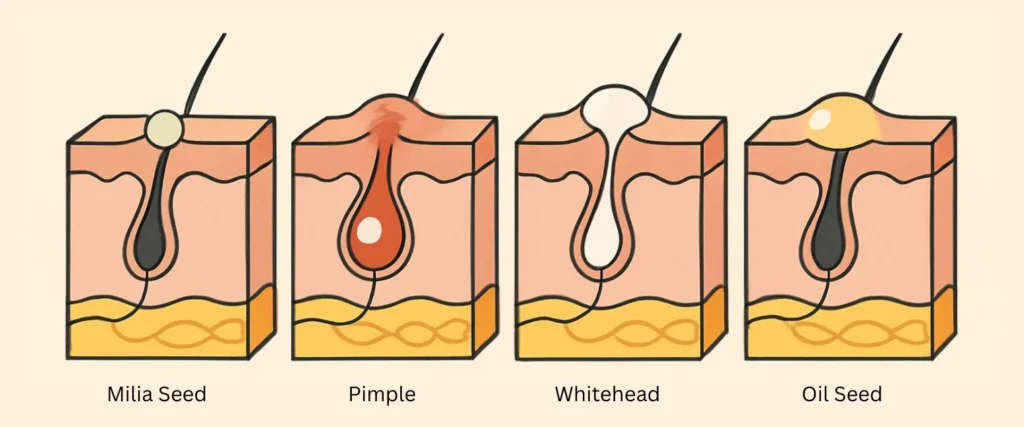
Milia Seeds characteristics:
- Hard, white or yellow bumps
- No opening or pore visible
- Painless and don’t change size quickly
- Most common around eyes and cheeks
Whiteheads differ because they:
- Have a visible pore opening
- Feel softer and can be expressed
- Often appear with surrounding redness
- Respond to acne treatments
Oil seeds (sebaceous hyperplasia) are:
- Larger and more yellowish
- Have a visible central depression
- Usually appear on mature skin
- More common on the forehead and nose
Understanding these differences prevents harmful DIY removal attempts and helps you choose the right professional treatment.
The Anatomy of a Milia Seed: What's Inside?
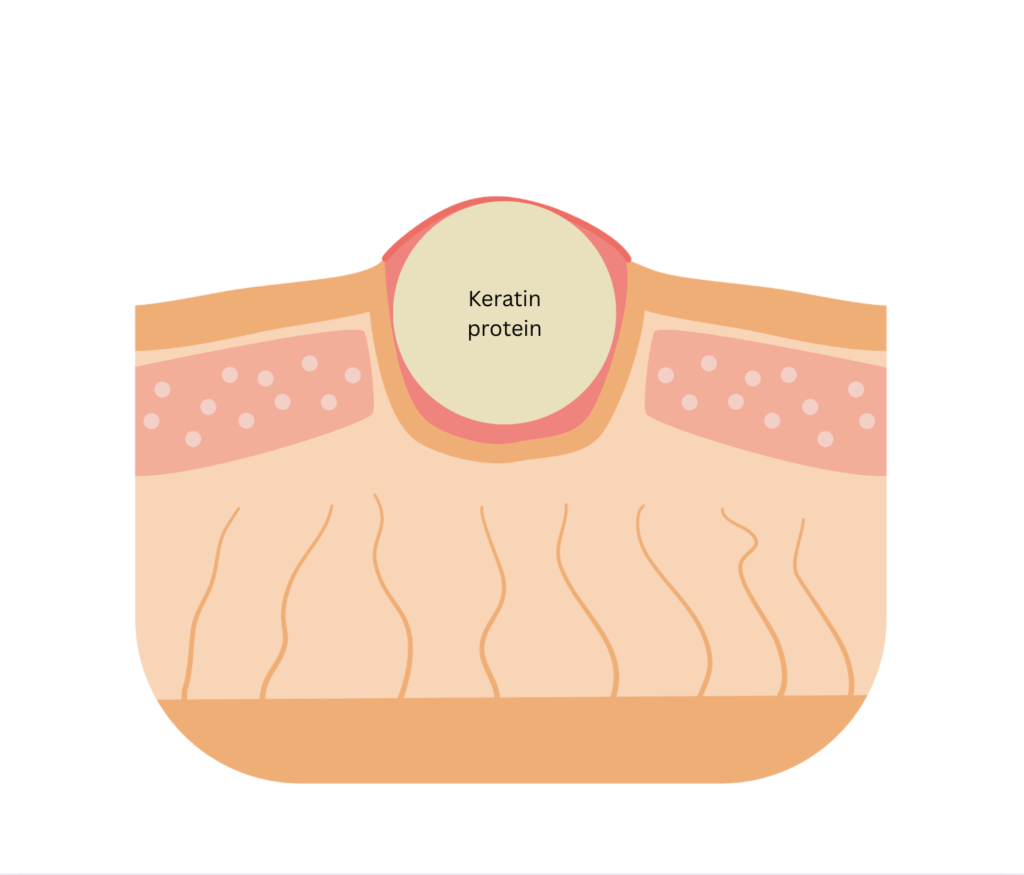
When dermatologists extract milia, they remove a small, solid mass of keratin protein. Unlike pimples that contain pus or oil, milia contain hardened dead skin cells that have become trapped in a tiny pocket beneath the skin’s surface.
This keratin mass doesn’t have a connection to the skin’s surface, which is why milia cannot be “popped” like a traditional spot. The skin over the milia must be carefully opened by a professional to access and remove the keratin deposit safely.
Are Milia Seeds the Same as Skin Tags?
No, milia seeds and skin tags are completely different conditions. Skin tags are soft, flesh-coloured growths that hang from the skin on a small stalk. Milia are firm, white bumps that sit flush with the skin surface. Skin tags typically develop in areas where skin rubs together, whilst milia can appear anywhere on the face.
Uncovering the Common Causes and Triggers of Milia Seeds
Several factors contribute to milia development, from genetics to skincare habits. Understanding these triggers helps prevent future outbreaks and informs treatment decisions.

Primary vs. Secondary Milia Seeds: Understanding the Origin

Primary milia develop spontaneously, often in newborns or adults with no underlying skin condition. These are the most common type and typically appear around the eyes and on the cheeks.
Secondary milia form after skin trauma, such as:
- Laser treatments or chemical peels
- Burn injuries or blistering
- Long-term use of topical steroids
- Certain skin diseases
Secondary milia often resolve on their own once the underlying skin heals, whilst primary milia usually persist without professional intervention.
Skincare Products and Ingredients That Can Trigger Milia Seeds

Heavy, occlusive skincare products can contribute to milia formation by preventing natural skin cell turnover. Common culprits include:
- Thick eye creams with petroleum-based ingredients
- Heavy foundation or concealer around the eyes
- Oil-based moisturisers that are too rich for your skin type
- Products with comedogenic ingredients like coconut oil
Singapore’s humid climate can exacerbate these issues, as heavy products may not absorb properly in high humidity conditions.
What Causes Milia Seeds Around the Eyes?

The delicate eye area is particularly prone to milia because the skin is thinner and has fewer oil glands. Additional factors include:
- Using eye makeup removers that leave residue
- Rubbing or tugging at the eye area during cleansing
- Sleeping with makeup on regularly
- Using eye creams that are too heavy for the delicate skin
Professional Milia Seeds Removal in Singapore: Options & Costs
Professional removal ensures safety and optimal results. Several treatment options are available, each with different costs and considerations.
How Much Does Milia Seeds Removal Cost in Singapore?
Treatment costs vary based on the number of milia, location, and clinic type:
Private dermatology clinics: $150-$300 per session
Aesthetic clinics: $100-$250 per session
Polyclinics (GP referral): $30-$80 per session
Multiple milia may require several sessions, with most people needing 1-3 treatments for complete removal. Some clinics offer package deals for multiple milia or combination treatments.
Safe Clinical Procedures: Extraction, Laser, and Cryotherapy
Manual extraction is highly effective for milia seeds removal. A sterile lancet creates a tiny opening, allowing the keratin mass to be gently expressed. This method has minimal downtime and excellent success rates.
Laser treatment using CO2 or erbium lasers can effectively remove multiple milia simultaneously. Recovery takes 5-7 days, with possible temporary redness and scabbing.
How to remove Milia Seeds at home
It is one of the most common skincare questions we encounter: “How can I get rid of these stubborn milia seeds myself?” While the desire for a quick, at-home solution is completely understandable, it is crucial to approach this carefully.
The reality is that most methods people think of for at-home removal carry a high risk of scarring and infection. This section will guide you through the facts, explaining which at-home actions are unsafe and which topical products can genuinely help manage and prevent milia without harming your skin.

Why You Must Never Pop, Pluck, or Use a Needle on Milia Seeds at Home
Attempting to remove milia yourself is strongly discouraged for several important reasons. Milia have no pore opening, so squeezing them is futile and only causes inflammation, bruising, and broken capillaries.
Using a non-sterile needle or pin at home introduces a high risk of infection, which can turn a minor blemish into a painful abscess. Most importantly, inexpert attempts at extraction almost always damage the surrounding skin, leading to permanent pitting or scarring—a far more noticeable concern than the original milia seed.
Can Retinoids and Chemical Exfoliants (AHA/BHA) Help?
While not a solution for instant removal, certain topical ingredients are excellent for managing and preventing milia.
- Retinoids (like retinol): These vitamin A derivatives accelerate skin cell turnover. This helps to bring dead cells to the surface and shed them before they can become trapped, preventing new milia from forming.
- Chemical Exfoliants (AHAs & BHAs): Alpha-hydroxy acids (like glycolic acid) and beta-hydroxy acids (like salicylic acid) dissolve the “glue” that holds dead skin cells together. Regular use of a gentle AHA or BHA toner or serum can keep the skin’s surface smooth and clear, reducing the likelihood of keratin plugs.
These products work over weeks and months for prevention; they will not remove existing, deep-seated milia.
How to Remove Milia Seeds Naturally: Separating Fact from Fiction
A quick search online reveals many “natural” remedies for milia, from honey masks to tea tree oil. Unfortunately, there is no scientific evidence to support these claims. A milia seed is a physical plug of hardened protein trapped beneath the skin.
Applying topical oils or kitchen ingredients will not break down or dislodge this plug. While a gentle facial steam can soften the skin’s surface, it will not open a path for the milia to escape. The only effective “natural” approach is supporting your skin’s own exfoliation process through a consistent, gentle skincare routine.
After the Treatment: Healing, Aftercare, and Scar Prevention
Proper aftercare ensures optimal healing and minimises complications following professional milia removal.
Does Removing Milia Seeds Cause Scarring?
Professional milia removal rarely causes scarring when performed correctly. The tiny incisions heal quickly, typically leaving no visible marks within 1-2 weeks.
Risk factors for scarring include:
- Picking at treatment sites during healing
- Infection from poor aftercare
- Underlying skin conditions that affect healing
- Individual tendency toward keloid formation
Following professional aftercare instructions virtually eliminates scarring risk.
The Healing Process: What to Expect Day-by-Day
Days 1-2: Tiny scabs form over treatment sites. Mild redness and tenderness are normal.
Days 3-5: Scabs begin to loosen. Avoid picking or scratching the areas.
Days 6-10: Scabs fall off naturally, revealing pink, new skin underneath.
Days 11-14: Skin colour normalises. Any remaining redness fades completely.
How to Prevent Milia Seeds from Coming Back
Prevention focuses on supporting natural skin cell turnover and avoiding pore-blocking products.
Building an Anti-Milia Skincare Routine
Morning routine:
- Gentle, pH-balanced cleanser
- Lightweight, non-comedogenic moisturiser
- Broad-spectrum SPF 30+ sunscreen
Evening routine:
- Double cleansing if wearing makeup
- Gentle exfoliation 2-3 times weekly (AHA or BHA)
- Lightweight retinol product (start slowly)
- Non-comedogenic night moisturiser
Choose products labelled “non-comedogenic” and avoid heavy, occlusive formulations, especially around the eyes.
Lifestyle and Dietary Factors to Consider
Whilst diet doesn’t directly cause milia, overall skin health may influence their development:
- Stay hydrated to support natural skin processes
- Remove makeup thoroughly each night
- Change pillowcases regularly to reduce bacterial buildup
- Avoid excessive rubbing or touching of the face
- Consider professional facials for deep cleaning and exfoliation
Can Milia Seeds Disappear Naturally on Their Own?
Primary milia in adults rarely disappear without intervention. Whilst secondary milia may resolve as the underlying skin heals, most milia persist indefinitely without professional removal. In newborns, milia typically clear within 2-4 weeks as their skin matures.
How Long Can Milia Seeds Last if Left Untreated?
Milia can persist for months or even years without treatment. They don’t pose health risks, so removal is purely cosmetic. However, they won’t worsen or multiply unless new ones form due to ongoing triggers.
When Should I See a Doctor for a Bump on My Face?
Consult a dermatologist if you experience:
- Rapidly growing or changing bumps
- Painful or inflamed lesions
- Multiple new bumps appearing suddenly
- Bumps that bleed or develop unusual colours
- Uncertainty about the diagnosis
Is milia removal painful?
Most people experience minimal discomfort during extraction. Topical anaesthetic may be used for sensitive areas or multiple lesions.
Can I wear makeup after milia removal?
Avoid makeup on treated areas for 2-3 days to prevent infection and allow proper healing.
How soon will I see results?
Results are immediate once the milia is extracted, though initial redness may take 1-2 weeks to fade completely.
Can milia removal be combined with other treatments?
Yes, many clinics offer milia removal alongside facials or other cosmetic procedures during the same visit.
Are there any age restrictions for treatment?
Milia removal is safe for all ages, though parental consent is required for minors under 21.

Why choose Dr Shane for Milia Seeds Removal in Singapore?
We recommend a to schedule a consultation with Dr Shane today to to get a one-on-one assessment and build a plan that is right for you.
At Dr Shane’s clinic, we believe remarkable results begin with three fundamentals: medical precision, honest advice, and customised care.
While many clinics focus on selling treatments, we prioritise:
- In-depth 1-1 skin health consultations (at least 30 mins)
- HSA/FDA-compliant protocols using approved devices with documented safety profiles
- Personalised energy settings adjusted for your unique skin thickness and concerns
What makes our approach different?
✔ Doctor-Led Consultations
Every treatment plan begins with a medical evaluation of your skin’s needs – not a sales conversation.
✔ Safety-First Philosophy
We use only HSA-approved devices and disclose all potential risks transparently.
✔ No Pressure, Just Professional Advice
You’ll leave your consultation either:
- Confident this treatment is right for you, or
- Aware of better alternatives for your goals
✔ Natural-Looking Results
Our treatment plans prioritise gradual, authentic improvement over dramatic but short-lived changes.
✔ Continued Aftercare
Post-treatment guidance to help maintain and optimise your results
The First Step is Always a Conversation
Many patients discover during consultation that their skin concerns actually require:
→ A different treatment approach
→ Combination therapies
→ Or simply more time before considering procedures
Book a skin health assessment to get professional insights before deciding on any treatment.
Let us help you find what’s right for your skin—not just what’s trending.
Secure your skin health consultation slot with Dr Shane today
Great skin starts with the right diagnosis.