
Published on: 24 November 2026
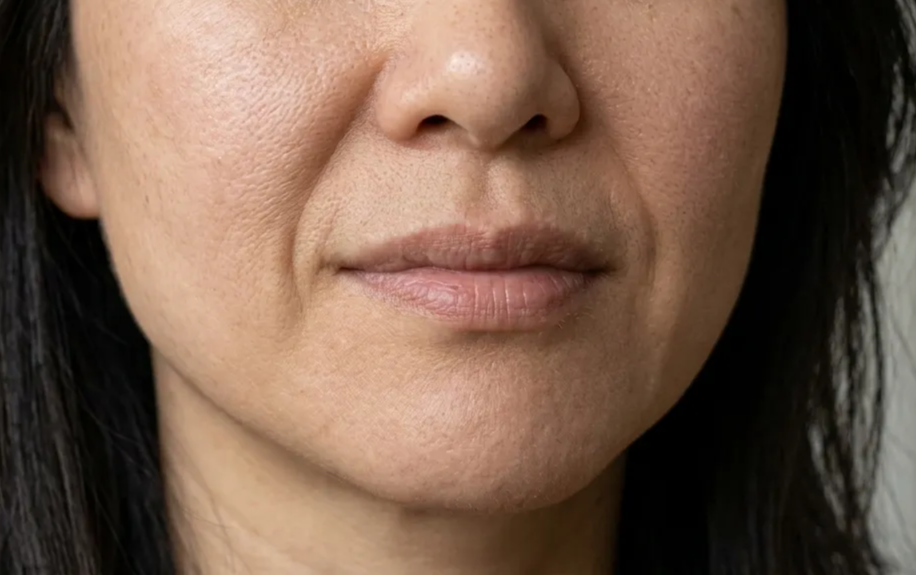
Nasolabial folds are the natural creases that run from the sides of the nose to the corners of the mouth, where the fuller cheek meets the flatter upper lip. Everyone has them, even children when they smile, but they deepen with age as the cheeks lose volume, facial fat shifts downward and the bone of the midface gradually recedes. Sun exposure, smoking and rapid weight loss can speed this up. Because the cause usually sits higher up the face, restoring cheek support often helps more than filling the fold alone. A doctor can assess which approach suits your face.
Key Takeaways
- Nasolabial folds are normal anatomy, and what changes with age is how deep and heavy they look.
- Deepening usually starts higher up the face, with volume loss in the cheeks, fat that shifts downward and gradual bone changes in the midface.
- Sun exposure, smoking, rapid weight loss and genetics can all speed up the process.
- Filling the fold alone often misses the cause, so many doctors restore cheek support first and treat the fold itself conservatively.
- Filler near the fold carries rare but serious vascular risks, so choose a doctor with detailed training in facial anatomy.
What Are Nasolabial Folds?
A nasolabial fold is the natural crease where the fuller cheek meets the flatter upper lip. Fibrous bands anchor the skin along this boundary, so when the cheek above it sits forward and the lip area below sits flatter, a fold forms at the junction.
They are often called smile lines or laugh lines. Our smile lines guide covers myths and day-to-day prevention, while this article focuses on the anatomy behind why the folds deepen.
Fold or Line?
A fold is a contour created by volume sitting next to a tethered area. A line is a crease etched into the skin surface itself. Many people have both, and the difference matters because they respond to different treatments.
Why Do Nasolabial Folds Get Deeper?
In most faces, the fold deepens because of changes above it rather than in the fold itself. Several layers age at once.
Cheek Volume Loss and Fat Descent
The face holds fat in separate compartments rather than one continuous layer, as shown in research on facial fat compartments. With age, the deep fat that supports the front of the cheek deflates while the more superficial fat slides slightly downward. That extra weight gathers against the fixed boundary of the fold, making it look heavier.
Changes in the Facial Skeleton
Bone remodels throughout life. A review of facial skeleton ageing describes how the bony area around the nose and upper jaw gradually recedes. With less scaffolding underneath, the soft tissue of the cheek loses its support and the fold appears deeper.
Skin Quality and Lifestyle Factors
Collagen and elastin decline steadily from early adulthood, so skin becomes thinner and less able to bounce back. Several everyday factors speed this up:
- Sun exposure. UV breaks down collagen, and Singapore’s year-round sun makes daily protection important.
- Smoking. It reduces blood flow to the skin and accelerates collagen loss.
- Rapid weight loss. Losing facial fat quickly can make folds more prominent, even in younger adults.
- Genetics. Some people naturally have fuller cheeks or deeper folds from an early age.
At What Age Do Nasolabial Folds Appear?
These folds are present from childhood, but most people start noticing them deepening in their late twenties to thirties. The pace varies widely with genetics, sun exposure, weight changes and bone structure.
During a consultation, the doctor assesses the whole midface rather than the fold alone. That means checking cheek volume, skin laxity and how the fold changes between a relaxed face and a smile.
What Treatments Help Nasolabial Folds?
The most suitable option depends on what is driving the fold. A plan often combines approaches, introduced gradually to keep results natural.
- Midface support. Restoring volume higher in the cheek can lift weight off the fold. Our cheek fillers guide explains how this works.
- Direct fold treatment. A small amount of soft hyaluronic acid filler placed in the fold can soften a deep crease. The dermal fillers guide covers how fillers differ.
- Collagen stimulation. Injectables such as calcium hydroxylapatite encourage the skin to build its own collagen over months. See how collagen stimulation works.
- Skin tightening devices. Ultrasound or radiofrequency energy can improve mild laxity in the lower face.
- Skincare. Retinoids and daily sunscreen support skin quality but cannot replace lost volume.
Why Overfilling the Fold Backfires
Adding volume straight into a deep fold can flatten it, but too much creates a heavy, bulky look around the mouth. Treating the cause higher up usually needs less product in the fold itself and gives a more balanced result.
Is Filler in the Nasolabial Fold Safe?
When performed by a trained doctor, filler in this area is a well-established procedure. The facial artery runs close to the fold, however, so the injector’s anatomical knowledge, technique and choice of product all matter. Hyaluronic acid fillers can be dissolved with an enzyme called hyaluronidase if needed.
Swelling, tenderness and bruising are common for a few days. Rarely, filler can block a blood vessel, which needs urgent treatment to prevent skin damage or, very rarely, vision problems. Treatment is usually postponed during pregnancy, breastfeeding or active skin infection near the area.
Can Nasolabial Folds Be Reduced Without Treatment?
Lifestyle habits cannot reverse established folds, but they can slow deepening. Daily broad-spectrum sunscreen, not smoking, steady rather than rapid weight changes and a retinoid-based routine all help protect collagen.
Facial exercises are often suggested online, but there is little reliable evidence that they reduce folds. Repeated expression may even reinforce lines over time.

Why Choose Dr Shane for Treatment in Singapore?
- In-depth 1-1 skin health consultations (at least 30 mins)
- HSA/FDA-compliant protocols using approved devices with documented safety profiles
- Personalised energy settings adjusted for your unique skin thickness and concerns
What makes our approach different?
✔ Doctor-Led Consultations
Every treatment plan begins with a medical evaluation of your skin’s needs – not a sales conversation.
✔ Safety-First Philosophy
We use only HSA-approved devices and disclose all potential risks transparently.
✔ No Pressure, Just Professional Advice
You’ll leave your consultation either:
- Confident this treatment is right for you, or
- Aware of better alternatives for your goals
✔ Natural-Looking Results
Our treatment plans prioritise gradual, authentic improvement over dramatic but short-lived changes.
✔ Continued Aftercare
Post-treatment guidance to help maintain and optimise your results
The First Step is Always a Conversation
Many patients discover during consultation that their skin concerns actually require:
→ A different treatment approach
→ Combination therapies
→ Or simply more time before considering procedures
Book a skin health assessment to get professional insights before deciding on any treatment.
Let us help you find what’s right for your skin—not just what’s trending.