
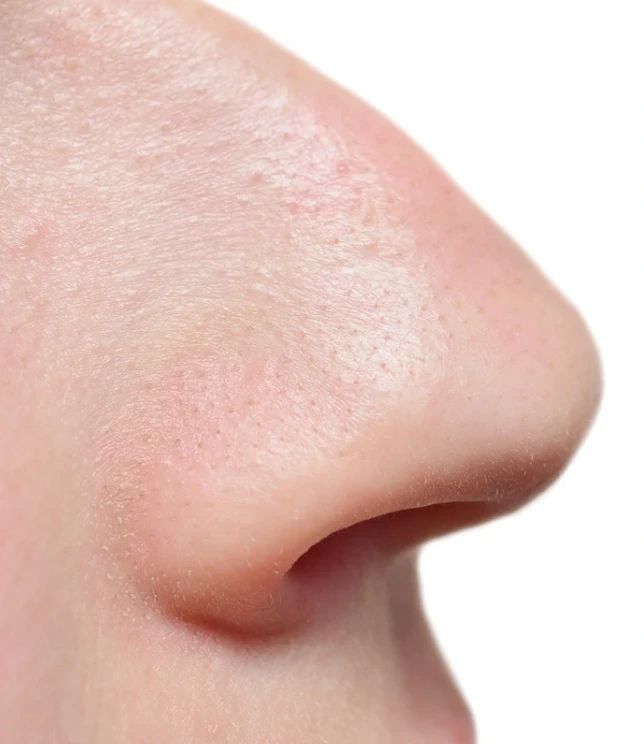
Do you ever stare at your nose in the magnifying mirror, troubled by those persistent, tiny greyish or yellowish dots? You’ve probably tried to scrub them away or even squeezed them, assuming they were a never-ending supply of blackheads. What you’re seeing is very likely a common, entirely natural part of your skin’s anatomy known as a sebaceous filament.
Understanding what these are and how they differ from actual blackheads is crucial for proper skincare, and more importantly, for avoiding damage that could make your pores appear even larger. At Dr Shane’s Aesthetic Clinic in Singapore, we help patients manage this frequently misunderstood skin concern using medically proven aesthetic solutions.
CONTENTS
What Are Sebaceous Filaments? (Understanding the Basics)
Sebaceous filaments might be one of the most misunderstood aspects of skincare. Unlike what many people assume, these aren’t imperfections that need removing–they’re actually essential components of healthy skin function.
The Science Behind Sebaceous Filaments

Think of sebaceous filaments as tiny highways within your pores. These tube-like structures are lined with cells that help guide sebum (your skin’s natural oil) from the sebaceous glands to the surface of your skin. This process is vital for maintaining your skin’s protective barrier and keeping it moisturised naturally.
The reason they appear more prominent on certain areas of your face—particularly the nose, chin, and forehead—is simply because these zones have a higher concentration of sebaceous glands. It’s not a sign that something’s wrong; it’s just your skin doing what it’s designed to do.
What makes them visible is the collection of sebum, dead skin cells, and sometimes bacteria within the pore lining. When this mixture oxidises slightly from air exposure, it may take on that characteristic greyish or yellowish tint that many people mistake for dirt or blackheads.
Who Gets Sebaceous Filaments?
It might surprise you to learn that everyone has sebaceous filaments. However, their visibility varies widely, which leads many people to believe they only affect certain skin types.
- Prevalence across skin types: While every skin type possesses them, they are most apparent on oily or combination skin. Individuals with large pores are also more likely to see them because there is simply more physical space for the sebum to accumulate.
- Genetic and hormonal factors: Genetics play a powerful role in determining your natural pore size and oil production rate. Moreover, hormonal fluctuations—common during adolescence, pregnancy, or even the menstrual cycle—can stimulate the sebaceous glands, leading to an increase in sebum and making the filaments temporarily darker or larger.
- Age-related changes in appearance: As we age, our skin’s collagen and elastin naturally break down. This loss of structural integrity can cause pores to lose their tight shape, making the sebaceous filaments appear wider and more visible over time.
The Core Difference: Sebaceous Filaments vs. Blackheads
This distinction is perhaps the most important point of education, as many patients attempt to treat their sebaceous filaments as if they were blackheads, leading to irritation and frustration. Understanding the pathology of each condition is key to choosing the correct treatment.
The confusion between these two is understandable, as they both appear as small dots in the pores, typically on the nose. However, their cause, structure, and required management are entirely different.
| Feature | Sebaceous Filaments | Blackheads (Open Comedones) |
|---|---|---|
|
Nature |
Normal anatomical structure (channel) |
A form of non-inflammatory acne (clog) |
|
Composition |
Sebum and dead skin cells |
Sebum, dead skin cells, and bacteria (hardened plug) |
|
Appearance |
Pale grey, white, or flesh-coloured; flat; uniform size |
Dark brown or black; raised/bumpy; irregular size |
|
Location |
Mostly nose, chin, and forehead (T-zone) |
Can occur anywhere, but commonly T-zone and back/chest |
|
Refill Time |
Refill within days or a few weeks |
Takes much longer to reform after successful extraction |
|
Extraction Result |
Thin, waxy, thread-like substance (clear/white/yellow) |
Hard, dark, solidified plug of oxidized material |
Appearance and Texture: How to Visually Tell the Difference
The visual cues can be subtle, but a closer look reveals the core difference between the tiny dots on your nose and actual blackheads.
- Sebaceous filaments tend to look like tiny, flat pores with a shadowy, greyish appearance. They don’t typically feel bumpy.
- In contrast, blackheads on the nose or elsewhere are usually darker (black or dark brown) because the trapped debris has been exposed to the air and oxidised, causing the colour change. Crucially, a blackhead is a plug—it often feels slightly raised or bumpy to the touch and represents a true blockage.

Understanding the Cause: Plugged Pores vs. Natural Flow
The root cause differentiates the management strategy entirely. One is a plumbing issue; the other is simply the normal flow of water.
- Sebaceous filament formation (natural process): These structures are simply doing their job: facilitating the natural flow of oil. They become visible because the sebum is being overproduced or the pores are large enough that the tube-like lining is easily seen. The cause here isn’t a blockage but an abundance of oil being delivered.
- How do blackheads form: Blackheads form when a pore becomes completely blocked, usually by a combination of excess sebum, dead skin cells, and sometimes bacteria. This blockage prevents the natural flow of oil, creating a plug that sits at the pore opening. Over time, exposure to air causes this plug to oxidise and darken, creating the characteristic black appearance.
Treatments to Minimise Sebaceous Filaments
Finding that ordinary, over-the-counter products just aren’t cutting it for those persistent sebaceous filaments? This isn’t about giving up on your home routine entirely, but acknowledging that sometimes you need something a bit stronger. Dr. Shane offers a range of professional, clinical-grade procedures designed to get a better handle on sebum production and genuinely refine the look of your pores—solutions that certainly go beyond what you can achieve at your own sink.
Medical-Grade Chemical Peels for Deeper Exfoliation
Chemical peels are a core clinical treatment for managing active sebum production and the visibility of sebaceous filaments. They offer a level of exfoliation unattainable with at-home products.
- Targeted Acid Selection: Dr Shane utilises medical-strength peels, most notably those containing Salicylic Acid (BHA). As an oil-soluble acid, it can penetrate deep into the pores, dissolving the compacted sebum and cellular debris within the filaments much more effectively than topical cleansers. This action helps to keep the pore channels clear for extended periods.
- Combination Peels: Depending on your skin type and concerns, combination peels may be employed. These often blend BHAs with Alpha Hydroxy Acids (AHAs), which simultaneously work on the skin’s surface to smooth texture and enhance cell turnover. This comprehensive approach ensures both the pore lining and the superficial skin layers are addressed.
- Improved Pore Refinement: By achieving a much deeper, more thorough exfoliation of the pore lining, these controlled clinical treatments not only reduce the current visibility of the filaments but also help to prevent the rapid accumulation of sebum, offering a sustainable way to keep the pores clear and refined.

Advanced Laser and Light Therapies
For patients with highly visible sebaceous filaments or significantly oily skin, a more powerful, source-focused solution is often required. This is where advanced aesthetic technology comes into play.
- Sebaceous Gland Modulation: Certain laser and light treatments are specifically designed to target and modulate the activity of the sebaceous glands themselves. These treatments deliver controlled thermal energy into the dermis.
- Reducing Oil Production at the Source: The primary mechanism is to gently heat the overactive sebaceous glands, which can help to temporarily shrink their size and reduce the amount of oil produced overall. Less sebum production means the sebaceous filaments fill up much more slowly and, consequently, become less visible. This addresses the problem at its very source, moving beyond temporary topical effects.
- Holistic Skin Improvement: Beyond oil control, these therapies can also stimulate collagen production, which may help to firm the skin surrounding the pore. This tightening effect makes the pores appear smaller and less dilated, further contributing to the refined look clients are seeking.

Prescription Retinoids and Expert Extractions
Managing sebaceous filaments often requires a multi-faceted approach, combining in-clinic procedures with highly effective, doctor-prescribed topicals.
- The Power of Prescription Retinoids: For sustained, long-term management, Dr Shane may prescribe prescription-strength retinoids, such as Tretinoin. These medications are the gold standard for normalising cell turnover deep within the hair follicle. This normalisation is crucial because it prevents the dead skin cells from sticking together and clumping with sebum, which is key to reducing the visibility of the filaments.
- Safe, Advanced Extraction: While self-extraction is strongly discouraged due to the risk of scarring and infection, a professional, sanitary extraction performed by Dr Shane or a trained aesthetician can be necessary. Using sterile techniques and appropriate tools, excess sebum can be safely removed from the pore with minimal trauma to the surrounding tissue. This provides an immediate, temporary improvement without the dangers associated with at-home squeezing or picking.
- Customised Combination Therapy: The most successful outcomes are often achieved through a customised plan that combines a few procedures (e.g., a peel followed by laser therapy) with a tailored home routine featuring prescription topicals. Dr Shane will determine the right mix of treatments best suited for your skin’s unique needs and oil activity.

Your Customised Skincare Routine for Sebaceous Filament Management

Managing sebaceous filaments requires discipline and a smart, consistent routine that prioritises gentle clearing over aggressive stripping. The goal here isn’t instantaneous removal, which isn’t possible, but continuous management to keep the pores looking as refined as possible.
The Double Cleanse Method for Deeper Pore Purification
The double cleanse isn’t just a trend; it’s a strategic method for deep cleaning oil-prone areas and is a key technique for ‘how to remove sebum from face’ effectively.
- Step 1: Oil-Based Cleanser (The Dissolver): Start with a gentle cleansing oil or balm. Massage it slowly and thoroughly into dry skin for about 60 seconds, paying extra attention to the nose and chin. This process of dissolving the oil inside the filaments is a much safer way to ‘cleanse sebaceous filaments’ than squeezing.
- Step 2: Water-Based Cleanser (The Rinsing): Follow up with a gentle, non-stripping water-based or gel cleanser. This removes the residue of the oil cleanser, any remaining dirt, and ensures your skin is clean without being dry.
- Benefits: This two-step process ensures both oil-based debris (sebum, makeup) and water-based impurities (sweat, environmental pollution) are cleared, reducing the likelihood of ‘oil bumps on face’ becoming more visible.
When to Use Clay Masks and Gentle Exfoliation
These treatments are best used as targeted, supplemental steps in your weekly routine.
- Clay Masks: A good clay mask (containing Kaolin or Bentonite) can temporarily draw out excess oil and impurities from the pores. Use a clay mask once or twice a week, but only leave it on until it’s just starting to dry, not until it’s cracking, which can over-dry the skin.
- Tip for targeted treatment: Apply a clay mask only to the T-zone, where the sebaceous filaments are most concentrated.
- Tip for targeted treatment: Apply a clay mask only to the T-zone, where the sebaceous filaments are most concentrated.
- Gentle Exfoliation: Instead of harsh physical scrubs, which can tear the skin and spread bacteria, rely on your chemical exfoliants (BHAs/AHAs).
What NOT to Do: The Dangers of Squeezing, Picking, and Tweezing
Manual extraction of sebaceous filaments often causes more problems than it solves—enlarged pores, scarring, and increased oil production are common consequences of aggressive DIY treatments.
Why Manual Extraction Causes More Harm Than Good (Scarring and Enlarged Pores)
When you squeeze or pick at sebaceous filaments, you’re essentially damaging the pore structure. The pressure can cause tiny tears in the pore lining, leading to inflammation and potentially permanent enlargement of the pore opening.
Tweezers are particularly problematic because they can create microscopic wounds and introduce bacteria into the pore. What might seem like a satisfying removal is actually trauma that your skin will remember. The pore may heal larger than it was originally, making future sebaceous filaments even more visible.
Pore strips, whilst less aggressive than manual extraction, can still cause problems. They work by essentially gluing themselves to the contents of your pores and ripping them out. This can remove not just the sebaceous filament but also healthy cells lining the pore, potentially leading to irritation and enlarged pores over time.
Even professional extractions should be done judiciously. A skilled aesthetician or dermatologist knows how to minimise damage, but frequent professional extractions can still lead to pore enlargement over time.
Understanding Pore Refill: Why They Always Come Back
Here’s the reality that many people don’t want to hear: sebaceous filaments will always return because they’re not actually something to be “cured.” They’re part of your skin’s normal function. When you extract a sebaceous filament, you’re removing the accumulated sebum and dead skin cells, but you’re not changing the underlying pore structure or sebaceous gland activity. Within about 30 days, the pore will refill with new sebum and cellular debris—that’s what it’s supposed to do.
This refilling process can actually be accelerated if you’ve damaged the pore through aggressive extraction. Inflamed or damaged pores may produce more oil as part of the healing response, making the sebaceous filaments appear even more prominent than before. Understanding this cycle is crucial for managing expectations and developing a sustainable approach to skincare. Instead of focusing on removal, focus on maintaining the health of your pores so that sebaceous filaments remain as unobtrusive as possible.

Why choose Dr Shane for Sebaceous Filaments Treatment in Singapore?
If you have tried every over-the-counter solution and are still concerned about the appearance of sebaceous filaments, or suspect they might be actual blackheads or a more complex skin issue, consulting an aesthetic physician is the wisest next step.
At Dr Shane’s clinic, we believe remarkable results begin with three fundamentals: medical precision, honest advice, and customised care.
While many clinics focus on selling treatments, we prioritise:
- In-depth 1-1 skin health consultations (at least 30 mins)
- HSA/FDA-compliant protocols using approved devices with documented safety profiles
- Personalised energy settings adjusted for your unique skin thickness and concerns
What makes our approach different?
✔ Doctor-Led Consultations
Every treatment plan begins with a medical evaluation of your skin’s needs – not a sales conversation.
✔ Safety-First Philosophy
We use only HSA-approved devices and disclose all potential risks transparently.
✔ No Pressure, Just Professional Advice
You’ll leave your consultation either:
- Confident this treatment is right for you, or
- Aware of better alternatives for your goals
✔ Natural-Looking Results
Our treatment plans prioritise gradual, authentic improvement over dramatic but short-lived changes.
✔ Continued Aftercare
Post-treatment guidance to help maintain and optimise your results
The First Step is Always a Conversation
Many patients discover during consultation that their skin concerns actually require:
→ A different treatment approach
→ Combination therapies
→ Or simply more time before considering procedures
Book a skin health assessment to get professional insights before deciding on any treatment.
Let us help you find what’s right for your skin—not just what’s trending.
Secure your skin health consultation slot with Dr Shane today
Great skin starts with the right diagnosis.