
Published on: 25 November 2026
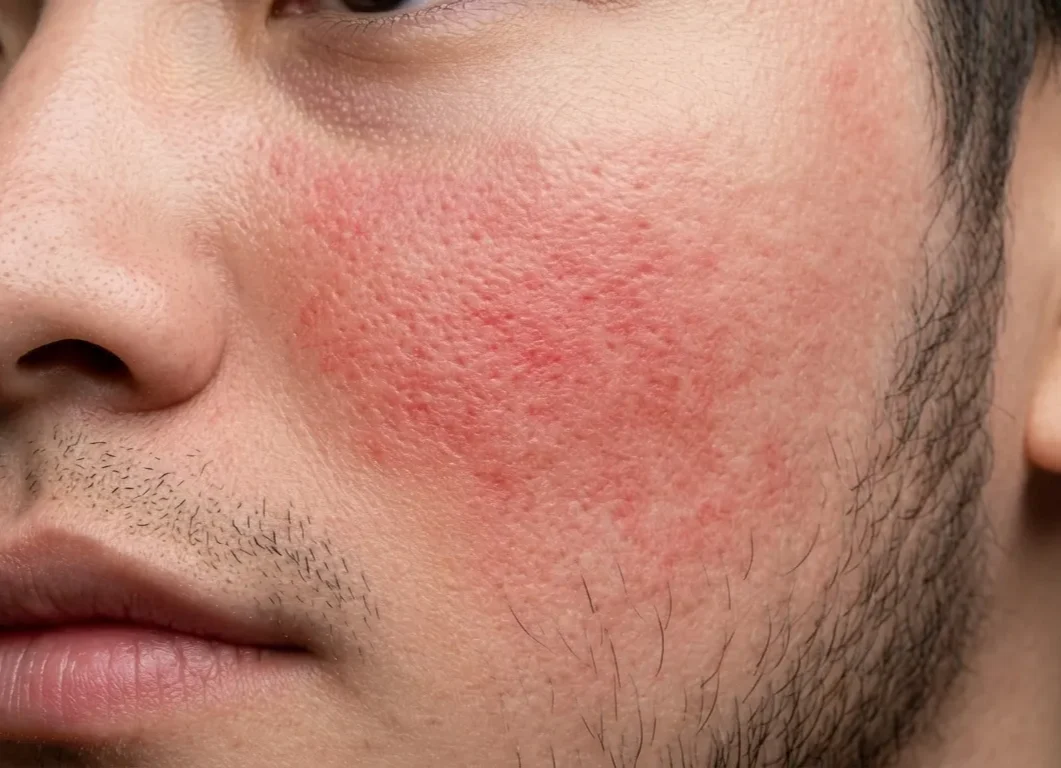
The difference between inflammation and regeneration comes down to timing and purpose. Inflammation is the skin’s first response to injury, bringing redness, warmth and swelling as immune cells clear damage and release signals that start repair. Regeneration is the rebuilding stage that follows, when cells called fibroblasts lay down new collagen over weeks to months. Short, controlled inflammation helps skin heal, but inflammation that lingers breaks collagen down and, in many Asian skin types, leaves dark marks. Many aesthetic treatments work by creating a small, controlled injury so the skin moves smoothly from one stage to the next.
Key Takeaways
- Daily sunscreen and a gentle, barrier-friendly routine help keep low-grade inflammation in check.
- Regeneration is the rebuilding stage that follows, when fibroblasts lay down new collagen over weeks to months.
- Short, controlled inflammation helps healing, while ongoing low-grade inflammation slowly breaks collagen down.
- Many aesthetic treatments work by creating a small, controlled injury so the skin moves from inflammation into repair.
- Too much inflammation, especially in Asian skin, can lead to dark marks or scarring instead of renewal.
What Happens When Skin Is Injured?
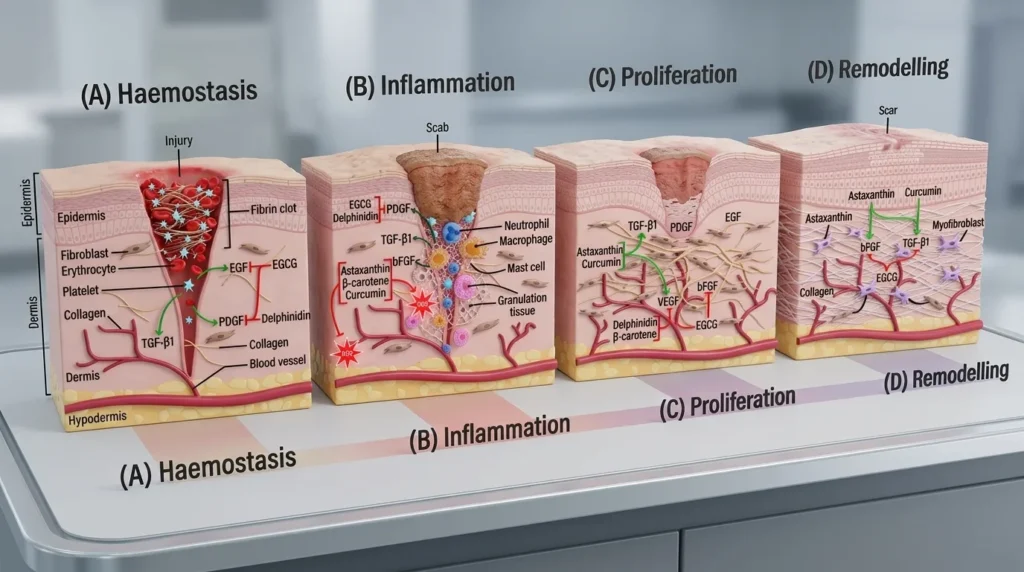
Skin heals in overlapping stages, as described in a review of wound healing:
- Haemostasis. Blood vessels constrict and a clot forms within minutes.
- Inflammation. Immune cells arrive to clear debris and bacteria over the first few days.
- Proliferation. New tissue, blood vessels and early collagen form over the following weeks.
- Remodelling. Collagen is reorganised and strengthened for months afterwards.
Regeneration broadly covers the last two stages. The handover from inflammation to rebuilding is what decides whether skin heals smoothly or not.
What Is Inflammation?
Is Inflammation Good for Healing?
Yes, in the right amount. Short-term inflammation clears damaged cells and releases growth factors that signal repair cells to start work. Without it, healing stalls.
The problem begins when inflammation lasts too long or runs too strong. It then keeps releasing enzymes that break down collagen, and in many Asian skin types it can trigger excess pigment production.
What Is Regeneration?
Regeneration is the rebuilding phase, made up of the proliferation and remodelling stages. During proliferation, over the first few weeks, cells called fibroblasts multiply and lay down fresh collagen, elastin and new blood vessels. In remodelling, this softer early collagen is gradually replaced by stronger fibres over several months.
Repair Versus True Regeneration
Adult skin mostly heals by repair. Deep wounds replace lost tissue with scar collagen rather than perfectly recreating the original structure. The aim of collagen-building treatments is to create injuries small and shallow enough for the skin to remodel without scarring. Our article on how collagen stimulation works explains this rebuilding process in more detail.
How Inflammation and Regeneration Differ
| Inflammation | Regeneration | |
|---|---|---|
|
Purpose |
Clear damage and signal repair |
Rebuild and strengthen tissue |
|
Timing |
Hours to a few days |
Weeks to months |
|
Visible signs |
Redness, warmth, swelling |
Gradual firmness, smoother texture |
|
When it goes wrong |
Dark marks, collagen breakdown |
Thick or raised scarring |
Does Inflammation Cause Skin Ageing?
Ongoing low-grade inflammation is now recognised as one driver of skin ageing, a process researchers call inflammaging. A narrative review on inflammaging and skin ageing links it to collagen loss, slower repair and a weaker skin barrier.
Common triggers that keep inflammation simmering include:
- Daily UV exposure, which is high in Singapore all year round.
- Smoking and air pollution.
- Over-exfoliation or harsh products that damage the skin barrier.
- Untreated acne, eczema or rosacea.
- Picking or squeezing spots.
Supporting the Shift From Inflammation to Repair
Everyday habits can help skin move out of the inflammatory phase and into rebuilding:
- Protect the barrier. A simple routine with a gentle cleanser and moisturiser reduces irritation.
- Use sunscreen daily. This limits UV-driven inflammation and protects new collagen.
- Avoid stacking actives. Using several strong acids or retinoids together, especially after a treatment, can prolong redness.
- Sleep and stress. Both influence how efficiently the skin repairs itself.
- Follow aftercare closely. Post-treatment instructions are designed to keep inflammation short and controlled.
How Aesthetic Treatments Use Controlled Inflammation
Many collagen-building treatments deliberately create a small injury to start the healing cascade:
- Microneedling creates tiny channels in the skin, as explained in our collagen induction therapy guide.
- Fractional lasers and radiofrequency deliver controlled heat in small columns, leaving healthy skin in between to speed recovery.
- Collagen stimulator injectables prompt a gentle tissue response that encourages new collagen over months.
The skill lies in calibration. Settings that are too aggressive, or treatments repeated before the skin has recovered, push the balance back towards inflammation.
How Long Does Inflammation Last After a Treatment?
After most collagen-building treatments, redness and swelling usually settle within one to three days, though deeper treatments can take up to a week. Inflammation that worsens, spreads or lasts well beyond this should be reviewed by your doctor.
Why Asian Skin Needs Extra Care
Melanin-producing cells in many Asian skin types respond strongly to inflammation. This is why a breakout or an overly aggressive treatment can leave a dark mark that lasts for months, a condition called post-inflammatory hyperpigmentation.
During a skin assessment at our Singapore clinic, treatment intensity is matched to your skin type and history of pigmentation. Treating active acne and protecting the skin barrier first often makes later collagen treatments better tolerated.

Why Choose Dr Shane for Treatment in Singapore?
If you are ready to move past the uncertainty of retail wellness trends and explore evidence-based clinical treatments tailored to your face, we welcome you to contact our team.
At Dr Shane’s clinic, we believe remarkable results begin with three fundamentals: medical precision, honest advice, and customised care.
While many clinics focus on selling treatments, we prioritise:
- In-depth 1-1 skin health consultations (at least 30 mins)
- HSA/FDA-compliant protocols using approved devices with documented safety profiles
- Personalised energy settings adjusted for your unique skin thickness and concerns
What makes our approach different?
✔ Doctor-Led Consultations
Every treatment plan begins with a medical evaluation of your skin’s needs – not a sales conversation.
✔ Safety-First Philosophy
We use only HSA-approved devices and disclose all potential risks transparently.
✔ No Pressure, Just Professional Advice
You’ll leave your consultation either:
- Confident this treatment is right for you, or
- Aware of better alternatives for your goals
✔ Natural-Looking Results
Our treatment plans prioritise gradual, authentic improvement over dramatic but short-lived changes.
✔ Continued Aftercare
Post-treatment guidance to help maintain and optimise your results
The First Step is Always a Conversation
Many patients discover during consultation that their skin concerns actually require:
→ A different treatment approach
→ Combination therapies
→ Or simply more time before considering procedures
Book a skin health assessment to get professional insights before deciding on any treatment.
Let us help you find what’s right for your skin—not just what’s trending.