
Published on: 25 November 2026
The most reliable ways to stimulate collagen are protecting the collagen you have and giving the skin a reason to make more. Daily broad-spectrum sunscreen and topical retinoids have the strongest evidence for everyday use, supported by vitamin C, adequate protein, good sleep and not smoking. In-clinic treatments such as microneedling, lasers, radiofrequency, ultrasound and collagen-stimulating injectables create a controlled response that prompts deeper collagen production. Collagen creams and supplements have weaker evidence. Most methods take around three months to show visible change.
Key Takeaways
- Wear broad-spectrum sunscreen every day, since UV is a major cause of collagen breakdown.
- A retinoid used consistently is among the most researched ways to support collagen at home.
- Collagen creams mainly moisturise, as collagen molecules are too large to absorb into the dermis.
- In-clinic treatments stimulate deeper collagen, but results build over months rather than days.
- Start protecting collagen early, as it is easier to preserve than to rebuild.
Why Collagen Declines
Collagen is the protein that keeps skin firm and supple. From early adulthood, the skin makes roughly 1% less collagen each year, and existing fibres become weaker and more fragmented.
UV exposure speeds this up by activating enzymes that break collagen down. In Singapore, where UV levels stay high all year, sun damage is often the biggest factor people can control.
Everyday Ways to Protect and Stimulate Collagen
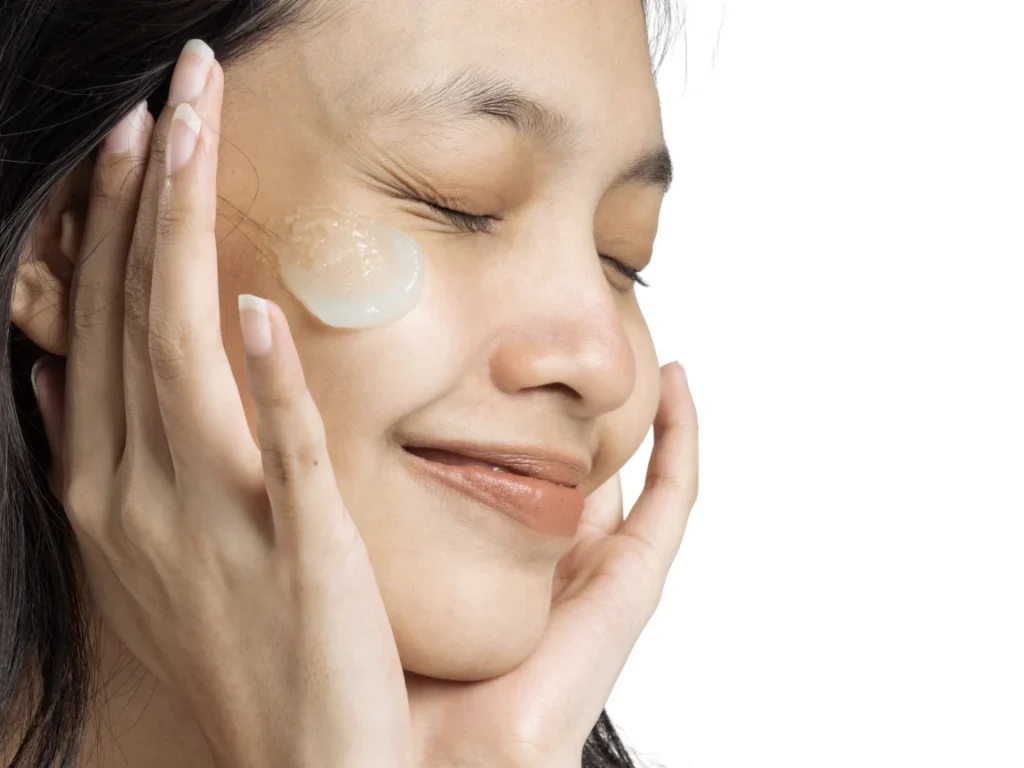
Daily habits work in two ways: they slow the breakdown of existing collagen and give the skin what it needs to make new fibres. These steps form the foundation of any collagen plan, with or without in-clinic treatment.
Daily Sunscreen
Preventing breakdown is the foundation. In a randomised trial on sunscreen and skin ageing, adults who applied sunscreen daily showed no detectable increase in skin ageing over four and a half years, unlike those who used it at their own discretion.
Choose broad-spectrum SPF 30 or higher, apply generously and reapply when outdoors for longer periods.
Retinoids
Retinoids are vitamin A derivatives that signal skin cells to produce more collagen. A systematic review of tretinoin for photoageing found it improved fine wrinkles and skin texture across randomised trials.
Prescription tretinoin is stronger than over-the-counter retinol, which converts more slowly in the skin. Start two to three nights a week to limit irritation, and avoid retinoids during pregnancy.
Vitamin C
Vitamin C is essential for building collagen and also protects skin from free radical damage. Topical L-ascorbic acid is the most studied form, though it can irritate sensitive skin and degrades when exposed to air and light.
Diet, Sleep and Smoking
- Protein. Collagen is built from amino acids, so regular protein matters.
- Fruit and vegetables. These supply vitamin C and antioxidants.
- Less added sugar. Excess sugar contributes to glycation, which stiffens collagen fibres.
- Sleep. Repair processes are more active during sleep.
- No smoking. Smoking reduces blood flow to the skin and speeds collagen breakdown.
What Has Weaker Evidence
Many popular collagen products and routines are widely marketed but have limited or inconsistent research behind them. They are not necessarily harmful, but they are unlikely to replace the habits above.
- Collagen creams. Collagen molecules are too large to reach the dermis, so these mainly hydrate the surface.
- Oral collagen supplements. Some studies show modest benefits, but results vary and many are industry-funded. Our article on collagen peptides versus aesthetic treatments looks at this in detail.
- Facial exercises. There is little reliable evidence that they build collagen.
What Stimulates Collagen in the Face?
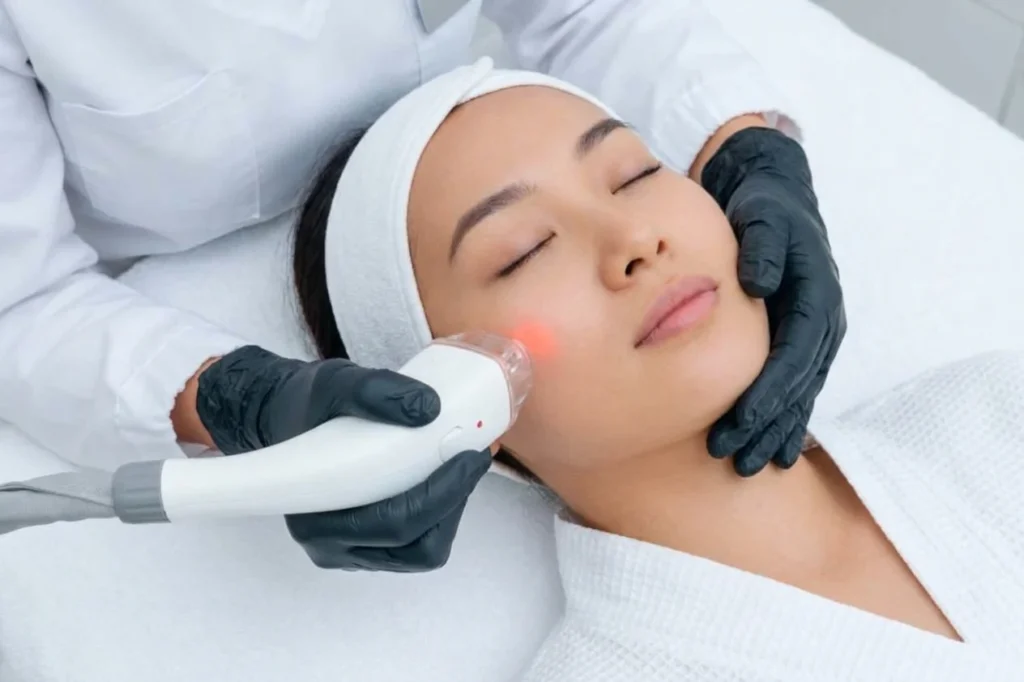
In-clinic treatments stimulate collagen more deeply than skincare alone because they work directly in the dermis. Most create a controlled injury or heat response that triggers the skin’s natural repair process.
Energy-Based Treatments
- Microneedling and radiofrequency microneedling create tiny channels that prompt repair, explained in our collagen induction therapy guide.
- Fractional lasers deliver heat in small columns while leaving healthy skin in between.
- Focused ultrasound heats deeper layers to support lifting, as with Ultherapy.
Collagen-Stimulating Injectables
Biostimulators such as poly-D,L-lactic acid and calcium hydroxylapatite encourage new collagen over several months. Our guide to how collagen stimulation works explains how they differ from fillers.
During a skin assessment at our Singapore clinic, the doctor matches the treatment to your skin thickness, laxity and tendency to pigment, since aggressive settings can cause dark marks in Asian skin.
How Long Does It Take to Rebuild Collagen?
New collagen forms slowly, so most treatments take around three months to show visible change. Improvements often continue for six months or more as the new collagen matures.
Topical retinoids work on a similar timeline and need consistent use for several months before results are noticeable.
Can You Stimulate Collagen at Any Age?
Yes, the skin keeps producing collagen throughout life, although the response slows with age. People in their twenties benefit most from prevention, while those in their forties and beyond often combine skincare with in-clinic treatments for a more noticeable effect.

Why Choose Dr Shane for Treatment in Singapore?
If you are ready to move past the uncertainty of retail wellness trends and explore evidence-based clinical treatments tailored to your face, we welcome you to contact our team.
At Dr Shane’s clinic, we believe remarkable results begin with three fundamentals: medical precision, honest advice, and customised care.
While many clinics focus on selling treatments, we prioritise:
- In-depth 1-1 skin health consultations (at least 30 mins)
- HSA/FDA-compliant protocols using approved devices with documented safety profiles
- Personalised energy settings adjusted for your unique skin thickness and concerns
What makes our approach different?
✔ Doctor-Led Consultations
Every treatment plan begins with a medical evaluation of your skin’s needs – not a sales conversation.
✔ Safety-First Philosophy
We use only HSA-approved devices and disclose all potential risks transparently.
✔ No Pressure, Just Professional Advice
You’ll leave your consultation either:
- Confident this treatment is right for you, or
- Aware of better alternatives for your goals
✔ Natural-Looking Results
Our treatment plans prioritise gradual, authentic improvement over dramatic but short-lived changes.
✔ Continued Aftercare
Post-treatment guidance to help maintain and optimise your results
The First Step is Always a Conversation
Many patients discover during consultation that their skin concerns actually require:
→ A different treatment approach
→ Combination therapies
→ Or simply more time before considering procedures
Book a skin health assessment to get professional insights before deciding on any treatment.
Let us help you find what’s right for your skin—not just what’s trending.