

Are you frustrated with persistent dark patches on your face that seem impossible to fade? If you’ve been struggling with melasma and considering laser treatment, you’re not alone. This complex skin condition affects many Singaporeans, particularly women, yet finding reliable information about effective treatments can be challenging.
At Dr Shane’s clinic in Singapore, we focus on giving you personalised, doctor-led care to help you understand your condition and what can genuinely help.
What Is Melasma and Why Is It Hard to Treat?
Melasma is a common but stubborn skin condition, having a tendency to recur even after successful treatment. Understanding its root causes helps you choose the most effective treatment plan.
Common Causes of Melasma (Hormones, Sun, Genetics)
Melasma is triggered by multiple factors: hormonal changes (pregnancy, oral contraceptives, menopause), UV exposure, heat, and even genetic predisposition. It’s more common in women and people with darker skin tones.


Why Melasma Treatment Is Often Ineffective
What makes melasma particularly frustrating is its tendency to recur even after successful treatment. This happens because:
- Melasma affects both the epidermal (surface) and dermal (deeper) layers of the skin
- Dermal melasma is particularly resistant to topical treatments
- The condition can be easily triggered by unavoidable factors like sunlight and heat
- Hormonal influences may persist despite treatment efforts
Melasma vs Other Types of Pigmentation
Not all dark spots are melasma, which is why proper diagnosis is crucial:
- Post-inflammatory hyperpigmentation (PIH): Appears after injury or inflammation and is usually confined to the affected area
- Sunspots/solar lentigines: Typically smaller, discrete spots caused primarily by sun damage
- Freckles: Small, often genetic pigmentation that darkens with sun exposure
- Melasma: Larger patches with irregular borders, often symmetrical on both sides of the face
Unlike other forms of pigmentation, melasma requires a multi-faceted, ongoing management approach rather than a one-time treatment.
How Does Melasma Laser Treatment Work?
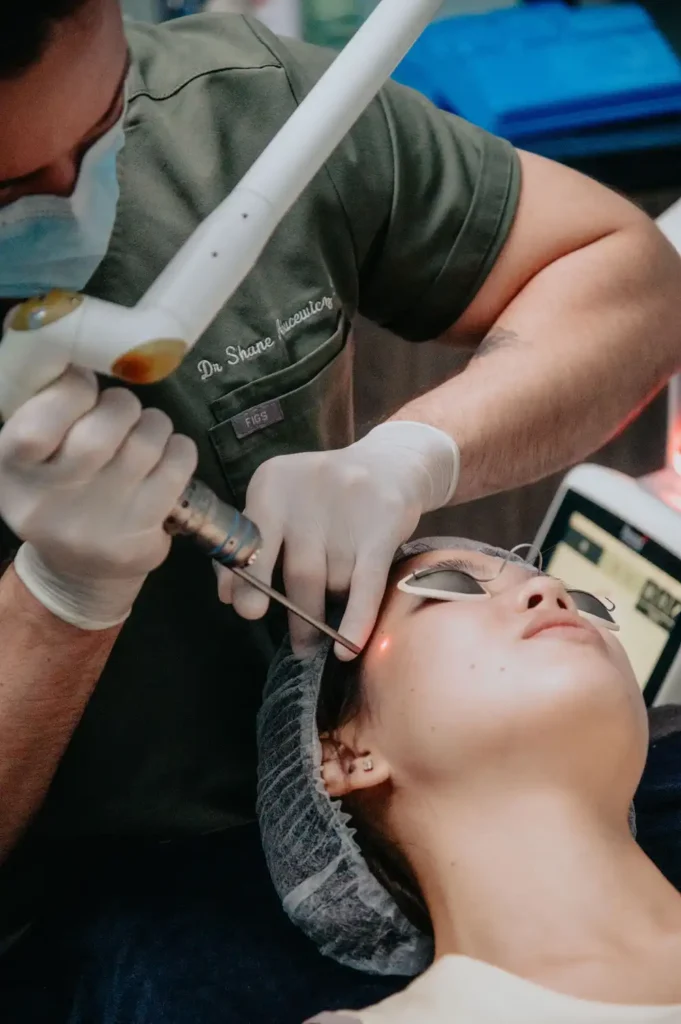
Laser treatments target pigment deep within the skin by delivering precise wavelengths of light that selectively break down melanin deposits. These specialized devices work by fragmenting clusters of pigment into microscopic particles that your body can naturally eliminate. However, this delicate process requires careful calibration—not all lasers are suitable for melasma, and using inappropriate devices or aggressive settings can trigger inflammation that actually darkens the skin further.
When it comes to melasma management, the mainstay is still the daily use of anti-pigmentary creams. Repeating pigment lasers (such as pico or other Q-switched lasers) are known to cause 50% of patients with melasma to potentially end up worse off.
There are only some isolated combination techniques that seem to target melasma at its various causes – reducing inflammation, vascularity, pigment collection, and improving over skin barrier function. A well published protocol for melasma by Fotona exists, and is probably the most cost effective way of managing melasma outside that of using just topical creams.
What Types of Lasers Are Used for Melasma Laser Treatment? (Pico, Q-Switch, etc.)
Low-energy lasers like Q-Switched Nd:YAG lasers (whether nano or pico-second lasrs) are commonly used to treat pigmentation in general. They deliver short bursts of energy to break down pigment without overheating the skin. Using this modality alone, however, rarely works.
Other laser modalities are typically included to target the various underlying causes of melasma:
- Picosecond lasers (Pico): Deliver ultra-short pulses in picoseconds, breaking down pigment into finer particles with less heat generation
- Micro-second pulsed lasers: When used at low fluence (energy), these lasers help reduce inflammation that potentiates melasma
- Long pulsed lasers: Used specifically to shut off vessels that feed a given area of skin that could be a contributing factor to melasma persistence
- Cold ablative/fractional picosecond lasers: These help improve skin barrier function, reducing ones reactivity to UV. They also create microscopic channels in the skin, theoretically helping extrude pigmentation through the skin.
How Laser Treatment Breaks Down Melasma Pigment Safely
Melasma is a complicated issue that needs to be managed gently with multiple modes of treatment; excessive energies from any one of the modalities (even creams) can worsen melasma.
Can Laser Treatment Make Melasma Worse?
Yes — especially if the settings are too aggressive, done too frequently, or the wrong type of laser is used. This can lead to post-inflammatory hyperpigmentation (PIH) and/or paradoxical worsening of melasma.
What Works: Best Melasma Laser Treatment Options in Singapore
Pico Laser Treatment for Melasma
- Emits ultra-short pulses (trillionths of a second) to minimise heat damage to surrounding tissue
- The predominantly mechanical effect breaks down pigment while reducing inflammation risk
- Studies show improved clearance with fewer side effects compared to traditional nanosecond lasers
Quasi-long or Long-pulsed Lasers
These are used in addition to Q-switched lasers like picosecond lasers:
- Low-fluence (gentle) settings are crucial to avoid worsening pigmentation
- The 1064nm Nd:YAG wavelength penetrates deeper to target dermal melasma
- Helps reduce inflammation, stimulate collagen, as well as reduce vascularity in the area
- Usually delivered in a “laser toning” approach with multiple gentle passes
Cold Ablative or Fractional Picosecond Lasers
Function to increase the effectiveness and longevity of the above laser therapies
Has two proposed effects
- Stimulates collagen and elastin, improving overlying skin quality and texture, thereby reducing the effects of external UV or pollutants on the skin
- Creates micro-channels in the skin, allowing for extrusion of pigment/pigment producing cells through the skin’s surface, reducing pigment in the skin
Combining Melasma Laser Treatment with Topicals for Better Results
The most effective melasma treatment protocols don’t rely on lasers alone:
- Pre-treatment with tyrosinase inhibitors (like hydroquinone, tranexamic acid, or botanical brighteners) helps suppress melanin production
- Post-laser antioxidants can reduce inflammation and pigment rebound
- Strict sun protection is absolutely essential before, during, and after laser treatments
- Maintenance topicals help extend and preserve results
- Oral tranexamic acid may be prescribed alongside laser therapy for stubborn cases
Dr. Shane typically combines carefully selected laser protocols with customised home care regimens to maximise results while minimising risks.
A consultation with Dr Shane allows you to identify the most effective combination for your specific melasma type and skin profile—so you avoid wasting time and money on trial-and-error treatments that may not work.
What Doesn’t Work: Laser Mistakes and Risks to Avoid for Melasma Treatment
Not Melasma-Specific Lasers May Be Too Harsh
Not all lasers are suitable for treating melasma, despite what some clinics might advertise:
- Intense Pulsed Light (IPL) often generates too much heat for melasma-prone skin
- Ablative lasers (CO2, Erbium) carry high risks of post-inflammatory hyperpigmentation
- High-fluence settings on any laser can trigger pigment rebound
- One-size-fits-all approaches disregard individual skin characteristics and melasma patterns


Overpromising “Permanent” Results of Melasma Laser Treatment
Be wary of clinics that guarantee permanent melasma clearance from laser treatment:
- Melasma is a chronic condition that requires ongoing management
- Even after complete clearance, recurrence is common without maintenance
- Claims of “one session cures” reflect a fundamental misunderstanding of melasma
- The focus should be on control and improvement rather than permanent elimination
What to Expect During and After Melasma Laser Treatment
Pre-Treatment: Consultation and Skin Assessment
- Dr. Shane conducts comprehensive skin analysis to determine melasma type and depth
- Potential triggers are identified and addressed where possible
- Your medical history is reviewed to ensure laser safety
- Pre-treatment protocols may be prescribed 2-4 weeks before your first session
- A customised treatment plan is developed based on your specific melasma pattern
During Melasma Laser Treatment: What It Feels Like
Laser sessions for melasma are generally well-tolerated:
- Treatment typically takes 20-30 minutes depending on the affected area
- Topical numbing is applied for 20-30 minutes
- Most patients describe the sensation as mild stinging or warmth
- Protective eyewear is provided during the procedure
- You may notice immediate subtle changes, though significant improvement comes gradually
Recovery, Downtime and Post-Treatment Care
One advantage of modern melasma laser protocols is minimal downtime:
- Immediately after: Mild redness that typically subsides within hours
- First 24-48 hours: The skin may feel slightly warm or sensitive
- Pigment may initially appear darker before beginning to fade
- Sun protection is absolutely critical—even brief exposure can trigger rebound
- Follow-up treatments are typically scheduled every 2-4 weeks
- Results develop gradually over several weeks as pigment is eliminated
Is Melasma Laser Treatment the Only Option?
For stubborn melasma, laser is often one part of a broader strategy. Complementary approaches include topical creams, oral medications, chemical peels, and lifestyle changes (e.g. sun prevention).
Other Melasma Treatment Options: Topical Creams and Oral Medications
Medical-grade topicals remain first-line treatments for many melasma cases:
- Hydroquinone: Still considered the gold standard but recommended only for short-term use under physician supervision
- Tranexamic acid: Both oral and topical forms show promising results with fewer side effects
- Retinoids: Help accelerate cell turnover and enhance penetration of other ingredients
- Vitamin C: Provides antioxidant protection while inhibiting melanin formation
- Azelaic acid: Gentle yet effective for many patients with sensitive skin
- Skinuva Brite: A newer option that does not depend on hydroquinone, showing good results in clinical studies and our personal experience
Other Melasma Treatment Options: Chemical Peels
Certain chemical peels can complement laser therapy:
- Superficial peels with glycolic acid, lactic acid, or mandelic acid help address epidermal melasma
- Medium-depth peels like Jessner’s solution or TCA may be appropriate in selected cases
- Repeated gentle peels often yield better results than single aggressive treatments
- The right peel formulation depends on your skin type and melasma characteristics
Why Maintenance and Prevention Are Key for Melasma Treatment
Perhaps the most important aspect of melasma management is ongoing care:
- Sun protection with minimum SPF 50 and physical blockers is non-negotiable
- Broad-spectrum protection against both UVA/UVB and visible light is essential
- Periodic “touch-up” treatments help maintain results
- Avoiding heat (including saunas, hot yoga, etc.) reduces triggers
- Managing hormonal influences where possible improves outcomes
Cost of Melasma Laser Treatment in Singapore
The cost of melasma laser treatment in Singapore varies widely based on the type of laser, provider expertise, and severity of your condition. While not cheap, professional treatment can save you time, money, and frustration in the long run. Choosing the right approach from the start matters more than chasing the lowest price.
What Affects the Cost of Melasma Laser Treatment?
Several factors influence the investment required for effective melasma treatment:
- Type of laser technology used (single laser protocols versus multi-laser protocols)
- Qualifications of the provider (exposure of a practitioner to different modalities over the years allow for honest and well-informed decision making)
- Extent and severity of melasma
- Number of sessions required
- Complementary treatments included in the protocol
Average Price Range Per Laser Session for Melasma
In Singapore, you can expect to pay:
- Pico laser treatments: $200-$500 per session
- Combination protocols: $400-$800 per session
Most patients require 4-10 sessions depending on severity, followed by maintenance treatments. While this represents a significant investment, considering the expertise required and technology involved, quality treatment is rarely inexpensive.
Is Laser Treatment Worth It Compared to Other Melasma Treatments?
When evaluating cost-effectiveness, consider:- The emotional impact of persistent melasma on your quality of life
- The cost of repeatedly trying ineffective over-the-counter products
- The potential damage from inappropriate treatments requiring correction
- The value of expert guidance throughout your treatment journey
For many patients, properly administered laser treatments offer the most efficient path to improvement, particularly for stubborn melasma that hasn’t responded to topical treatments alone.
Choosing the Right Clinic for Melasma Laser Treatment
Doctor-Led Approach vs. Therapist-Led Melasma Treatments
Melasma is medical in nature. A qualified aesthetic doctor is better equipped to diagnose and tailor treatments than a beauty therapist. The provider’s qualifications make a significant difference in melasma treatment:Doctor-Led Approach
- Medical assessment to confirm diagnosis and rule out other conditions
- Ability to prescribe regulated medications like hydroquinone
- Comprehensive understanding of skin physiology and potential complications
- Access to medical-grade treatments and devices
- Ability to manage any complications that might arise
- Customised treatment protocols based on medical history and skin characteristics
- Generally higher cost but potentially better outcomes for complex cases
Therapist-Led Treatments:
- Often focus on spa-type treatments and cosmetic approaches
- Limited to non-prescription strength products
- May offer more affordable options for maintenance
- Cannot legally perform certain medical procedures
- Variable levels of training and expertise
- May be suitable for very mild cases or maintenance phases
For effective melasma treatment, medical oversight is generally recommended, especially for initial assessment and treatment planning.

Red Flags to Avoid When Looking for Where to Get Your Melasma Laser Treatment
Be cautious if a provider:
- Promises complete, permanent removal of melasma (this is rarely possible)
- Recommends the same treatment for everyone without personalisation
- Focuses solely on aggressive treatments without discussing daily care and sun protection
- Cannot explain the science behind their recommended treatments
- Uses devices or products without proper certification or evidence
- Dismisses the importance of identifying triggers and making lifestyle changes
- Has no before-and-after documentation of similar cases
- Pressures you to purchase expensive packages upfront
- Cannot provide clear information about potential risks and side effects
Your safety and results depend on choosing a clinic that prioritises medical principles over quick sales.
Questions to Ask Before You Start
Before committing to a treatment plan, ask potential providers:
- What type of melasma do I have, and how was this determined?
- What are the primary triggers for my specific case?
- What is your experience treating this condition in my skin type?
- What combination of treatments do you recommend and why?
- What results can I realistically expect?
- How many sessions will I need, and what is the overall timeline?
- What measures do you take to prevent post-inflammatory hyperpigmentation?
- How will we monitor progress and adjust treatments if needed?
- What is your approach to maintenance after initial improvement?
- What happens if I don’t respond to the initial treatment plan?
The provider’s ability to comprehensively answer these questions reflects their expertise and approach to care.

Why choose Dr Shane for Melasma Laser Treatment in Singapore?
Melasma can look like other pigmentation issues, so a medical diagnosis is crucial. Aesthetic trends may offer quick fixes, but safe, effective care starts with a proper consultation.
Remember that this is a medical condition requiring medical expertise. What works for a friend may not work for you—or worse, could potentially harm your skin. Every case is unique, influenced by individual factors like skin type, depth, triggers, and previous treatments.
At Dr Shane’s clinic, we believe remarkable results begin with three fundamentals: medical precision, honest advice, and customised care.
While many clinics focus on selling treatments, we prioritise:
- In-depth 1-1 skin health consultations (at least 30 mins)
- HSA/FDA-compliant protocols using approved devices with documented safety profiles
- Personalised energy settings adjusted for your unique skin thickness and concerns
What makes our approach different?
✔ Doctor-Led Consultations
Every treatment plan begins with a medical evaluation of your skin’s needs – not a sales conversation.
✔ Safety-First Philosophy
We use only HSA-approved devices and disclose all potential risks transparently.
✔ No Pressure, Just Professional Advice
You’ll leave your consultation either:
- Confident Ultherapy is right for you, or
- Aware of better alternatives for your goals
✔ Natural-Looking Results
Our treatment plans prioritise gradual, authentic improvement over dramatic but short-lived changes.
✔ Continued Aftercare
Post-treatment guidance to help maintain and optimise your results
The First Step is Always a Conversation
Many patients discover during consultation that their skin concerns actually require:
→ A different treatment approach
→ Combination therapies
→ Or simply more time before considering procedures
Book a skin health assessment to get professional insights before deciding on any treatment.
Let us help you find what’s right for your skin—not just what’s trending.
Secure your consultation slot with Dr Shane today
Great skin starts with the right diagnosis.